직사각형이 아니라 정사각형
면접 대비시간 제한1.5초메모리 제한1024 MB
너비가 1인 막대들의 높이가 주어질 때, 히스토그램 안에 들어가는 가장 큰 정사각형의 한 변의 길이를 구한다.
문제
히스토그램은 공통 밑변을 가지는 개의 인접한 직사각형을 나란히 붙여 만든 다각형이다. 각 직사각형을 막대라고 부른다. 왼쪽에서 번째 막대의 너비는 1이고 높이는 이다.
주어진 히스토그램에 완전히 포함되면서 한 변이 밑변과 평행한 가장 큰 직사각형의 넓이를 구하려고 한다.
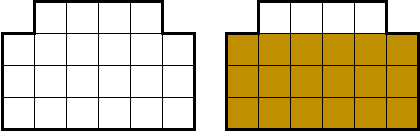
그림 1. 예제의 히스토그램. 오른쪽에는 가장 큰 직사각형이 표시되어 있다.
사실은 직사각형이 아니라 가장 큰 정사각형을 구해야 한다. 정사각형의 넓이는 한 변의 길이로 정해지므로, 넓이 대신 한 변의 길이를 출력한다.
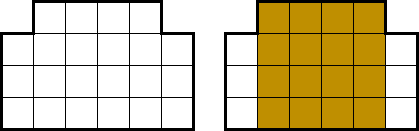
그림 2. 예제의 히스토그램. 오른쪽에는 가장 큰 정사각형이 표시되어 있다.
입력
첫째 줄에 정수 이 주어진다. .
둘째 줄에 개의 정수 이 공백으로 구분되어 주어진다. 는 번째 막대의 높이이다.
출력
히스토그램에 완전히 포함되면서 한 변이 밑변과 평행한 가장 큰 정사각형의 한 변의 길이를 출력한다.