쿠키 커터
면접 대비시간 제한1초메모리 제한1024 MB
다각형의 넓이를 구한 뒤 sqrt(A / 넓이)만큼 확대 또는 축소하고, 최솟값 x와 y가 0이 되도록 평행이동합니다.
문제
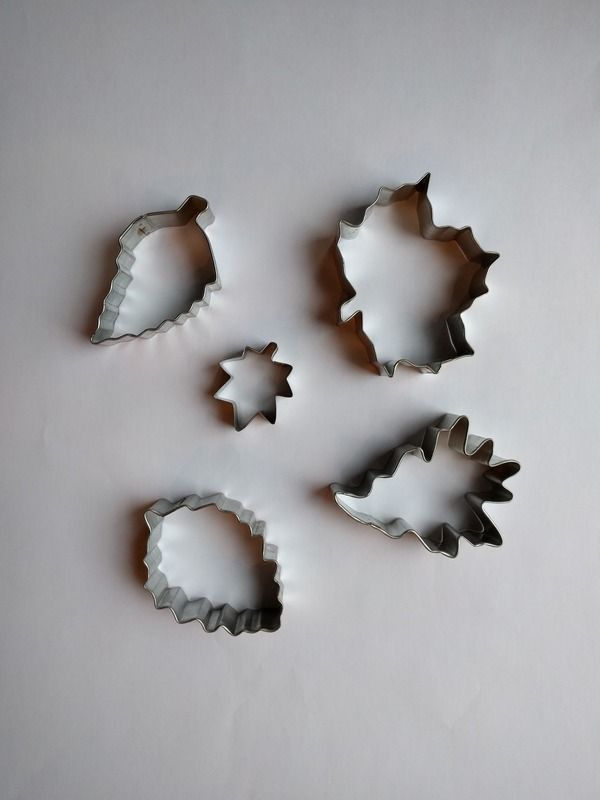 Theta는 다가오는 휴일을 맞아 쿠키를 굽는 것을 좋아한다. 그녀에게는 모양과 크기가 다양한 쿠키 커터가 여러 개 있다. 그녀는 어떤 모양이 다른 모양보다 큰 것이 불공평하다고 생각한다. 모두가 같은 수의 쿠키를 받더라도 어떤 사람은 더 많은 반죽을 받게 되기 때문이다.
그녀는 모양의 비율을 유지한 채 쿠키 커터의 모양을 확대하거나 축소하여 모든 쿠키의 무게가 같아지도록 할 계획을 세운다.
이 문제에서 여러분의 과제는 그녀가 새 쿠키 커터의 바탕이 될 도면을 그리도록 돕는 것이다.
입력
입력은 쿠키 커터의 윤곽 하나로 이루어진 단일 테스트 케이스이다. 쿠키 커터는 단순 다각형으로 모델링한다. 단순 다각형은 스스로 교차하지 않는다. 첫 줄에는 다각형의 꼭짓점 수를 나타내는 정수 ()이 주어진다. 이어서 개의 줄에 다각형의 한 점의 좌표를 나타내는 두 실수 , ()가 주어진다. 좌표는 반시계 방향 순서로 주어진다.
다음 줄에는 다각형을 확대하거나 축소해 만들고자 하는 목표 면적의 크기를 나타내는 정수 ()가 주어진다. 반죽은 모든 곳에서 정확히 같은 높이가 되도록 밀려 있으므로 넓이로 무게를 나타낼 수 있다. 크기를 바꾼 다각형은 원래 다각형과 닮은꼴이어야 한다. 즉, 모든 내각의 크기가 같고 대응하는 모든 변의 길이의 비가 같아야 한다.
출력
확대하거나 축소한 다각형의 , 좌표를 개의 줄에 출력한다. 이 좌표는 새 쿠키 커터를 그리는 데 사용되므로 새 다각형은 북동쪽 사분면()에 있어야 하고, x축과 y축에 각각 적어도 한 점에서 닿아야 한다. 더 정확히 말하면, 크기를 바꾼 다각형을 수평 또는 수직으로, 또는 두 방향 모두로 이동해 이 되게 해야 한다. 다만 다각형을 어떤 방식으로도 회전하거나 비틀어서는 안 된다.
답은 실수로 출력한다. 모든 및 좌표의 절대 오차 또는 상대 오차가 를 초과하지 않으면 정답으로 인정된다.