Shifting Roads
시간 제한1초메모리 제한1024 MB
세 선분 중 하나를 길이를 넘지 않게 옮기거나 그대로 두어 세 선분이 연결되도록 만드는 경우의 수를 센다.
문제
There are asphalt-covered roads in the city, the -th road is a segment between two points and with coordinates and , respectively.
To test the new technology of shifting roads, the city administration can dismantle exactly one asphalt-covered road and build exactly one new asphalt-covered road with the asphalt obtained after dismantling, but the length of the new road should not exceed the length of the dismantled road.
After analyzing the current budget, the city administration understood that it would soon be able to serve exactly three asphalt-covered roads.
Therefore, a modernization program was proposed: the city administration wants to choose three roads that will remain covered with asphalt, and also, possibly, to shift one of them. All other asphalt-covered roads will have to be removed permanently. After that, the three remaining asphalt-covered roads must necessarily form a connected asphalt-covered area, that is, between any two asphalt-covered points it should be possible to drive by asphalt-covered roads.
Now the city administration wants to know: how many ways are there to choose three roads to complete the modernization program?
입력
The first line of input gives an integer --- the number of asphalt-covered roads in the city ().
Then lines are given. The -th line contains four integers: , , , --- coordinates of points and of the beginning and end of -th road respectively.
All coordinates of points are integers and do not exceed in absolute value. The endpoints of any road are different.
출력
On the only line of the output print a single integer --- the number of ways to choose three roads to complete the modernization program.
힌트
In the example to complete the modernization program, you can choose three roads in one of three ways:
- roads with coordinates , , respectively, and shift road to new coordinates
- roads with coordinates , , respectively, and shift road to new coordinates
- roads with coordinates , , respectively, and shift road to new coordinates
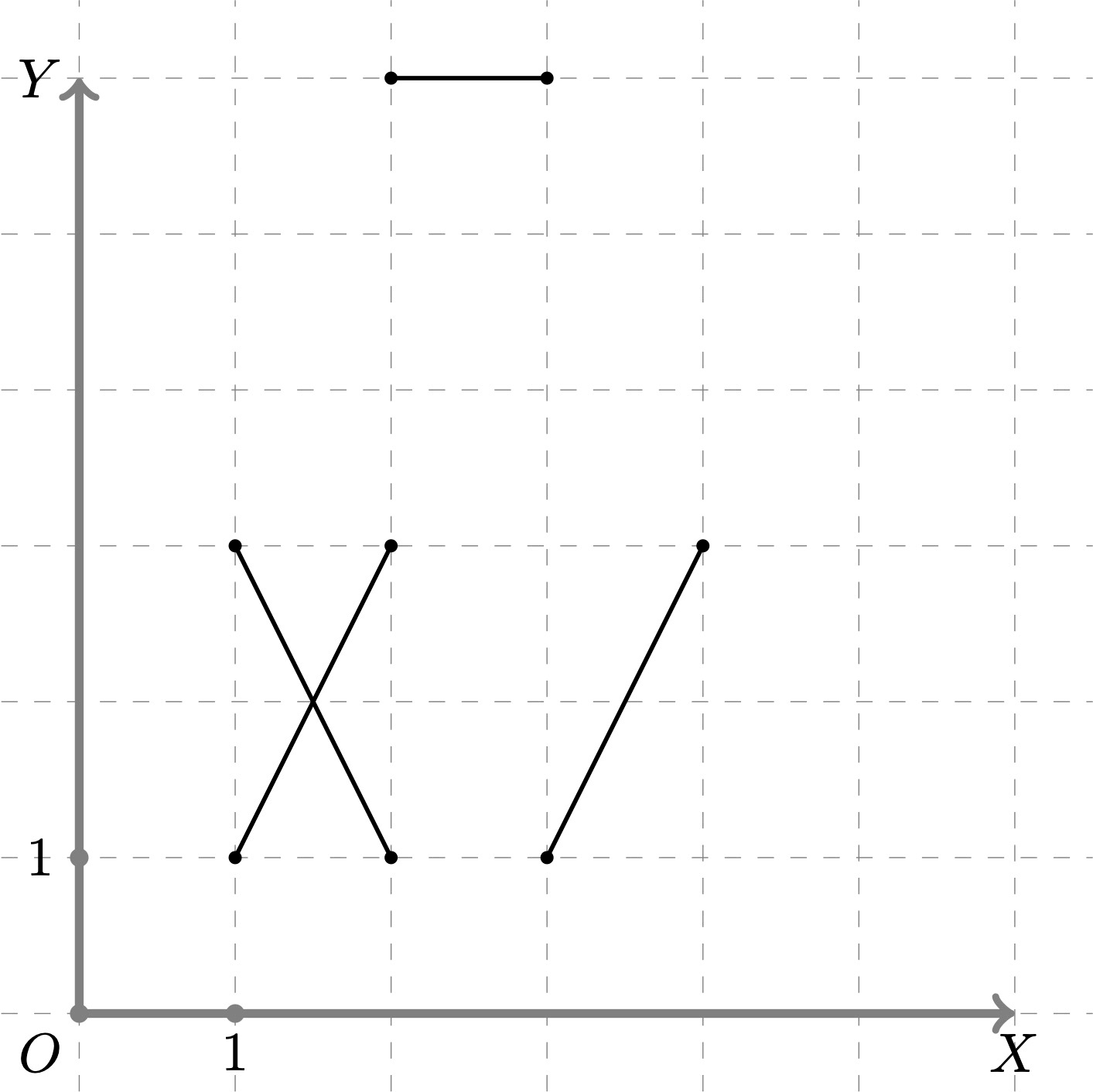
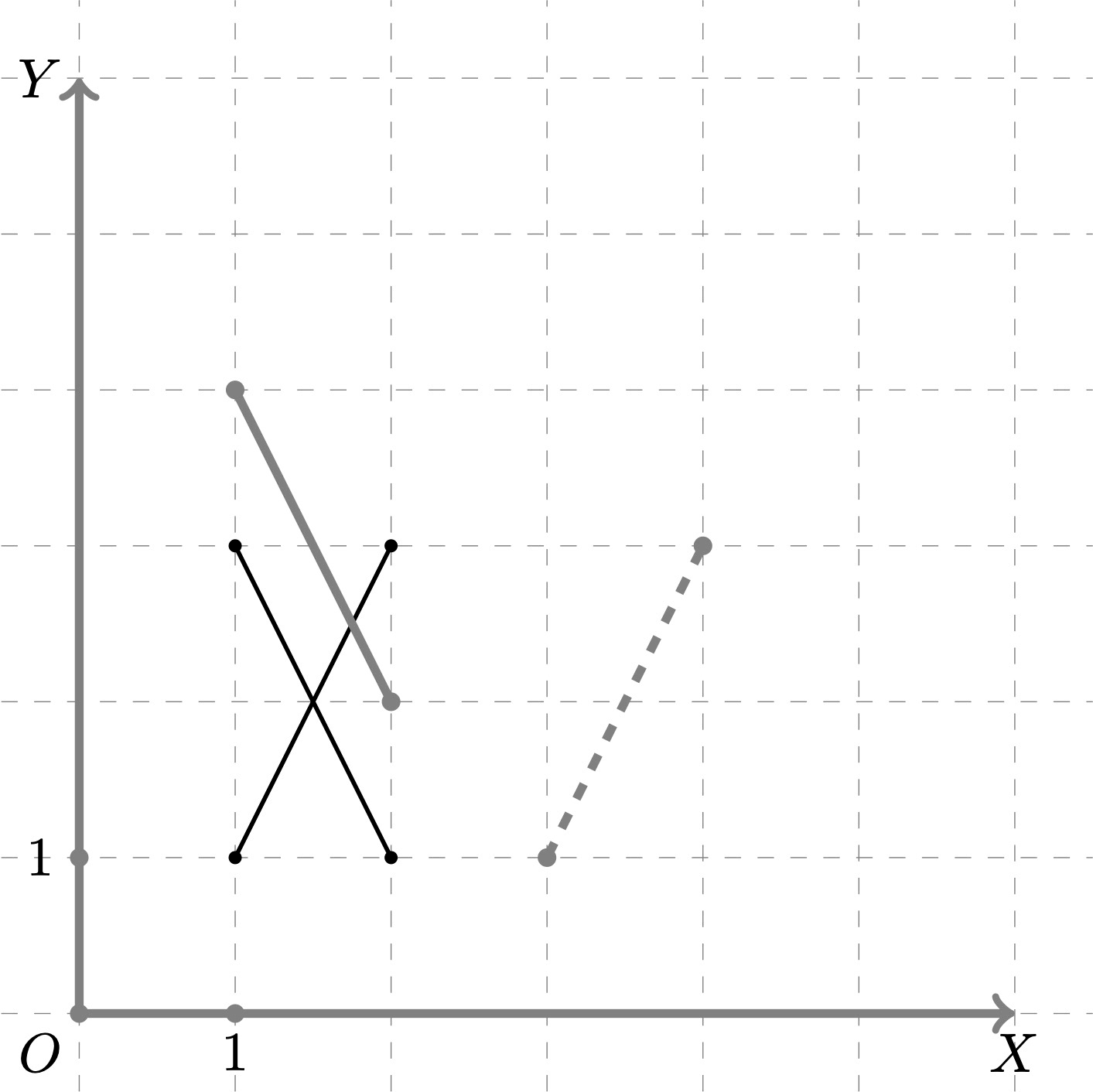
Picture for a)
Shifting the road from coordinates to new coordinates
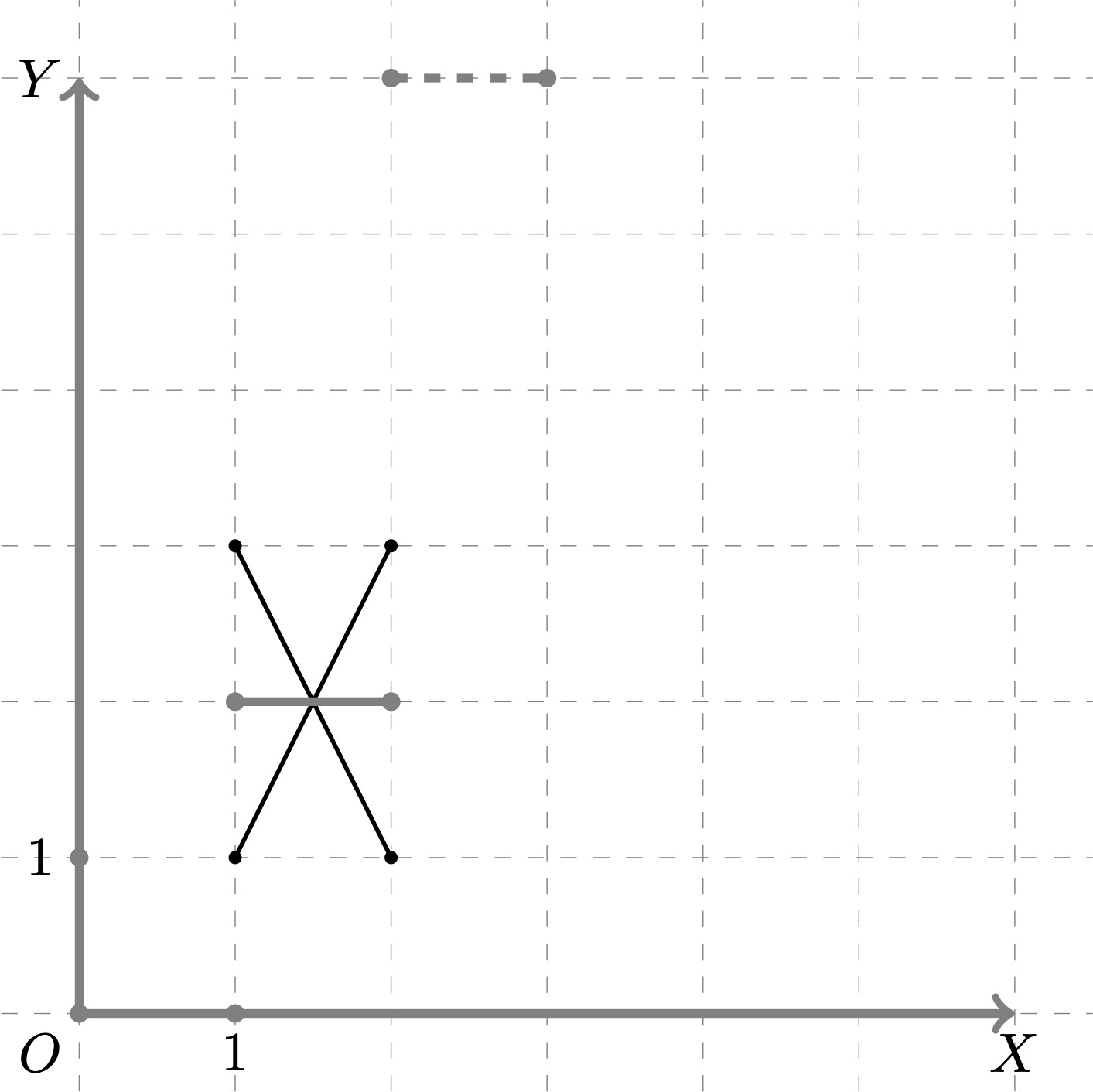
Picture for b)
Shifting the road from coordinates to new coordinates
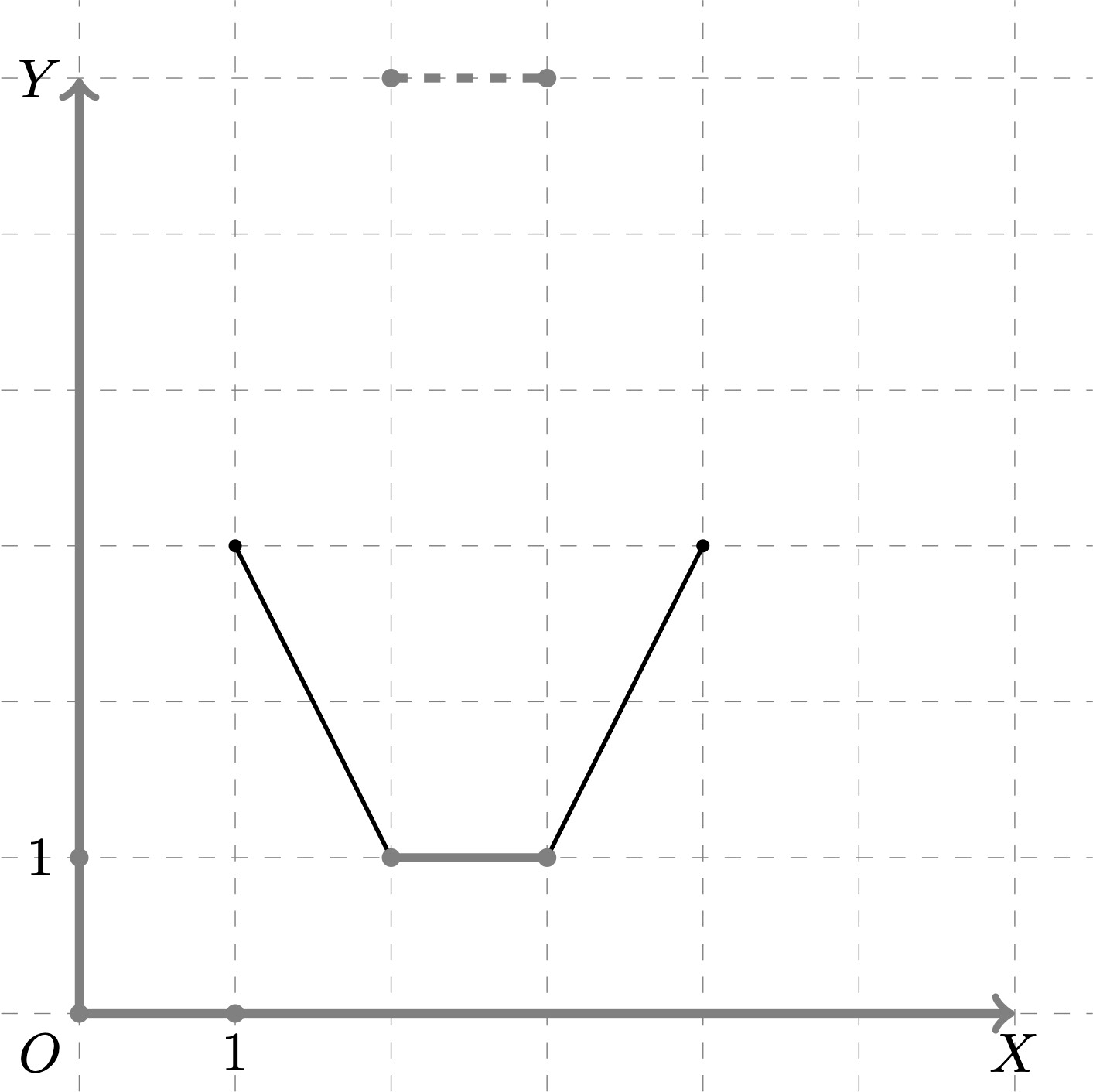
Picture for c)
Shifting the road from coordinates to new coordinates