샷
시간 제한2초메모리 제한256 MB
검정/회색/흰색 순서로 쌓인 여러 열의 캔에서, 특정 높이를 반복해서 쏘아 그 높이 이상인 열마다 캔이 하나씩 빠지며 무너질 때의 점수를 각 사격마다 구하는 문제입니다.
문제
준수는 생일 선물로 새 공기총을 샀고, 성능을 시험하기 위해 맥주캔을 여러 열로 쌓았다.
맥주캔의 색은 검은색, 회색, 흰색 세 가지이다. 각 열에서는 아래에서부터 검은색, 회색, 흰색 순서로만 캔이 쌓인다. 어떤 색의 캔이 한 열에 하나도 없을 수는 있지만, 이 색 순서를 어기는 열은 없다.
캔을 모두 쌓은 뒤 준수는 높이 하나를 정해 공기총을 쏜다. 어떤 높이를 쏘면 현재 그 높이에 있는 모든 캔이 밖으로 떨어지고, 그 위에 있던 캔들은 순서를 유지한 채 그대로 한 칸씩 내려온다.
준수는 각 높이를 순서대로 쏠 때 얻는 점수를 알고 싶다. 밖으로 떨어진 캔 하나의 점수는 검은색 1점, 회색 2점, 흰색 5점이며, 한 번 쏠 때의 점수는 그때 떨어진 모든 캔 점수의 합이다.

위 그림은 처음 캔을 쌓은 상태이다. 여기서 2번 높이를 쏘면 아래와 같이 된다.
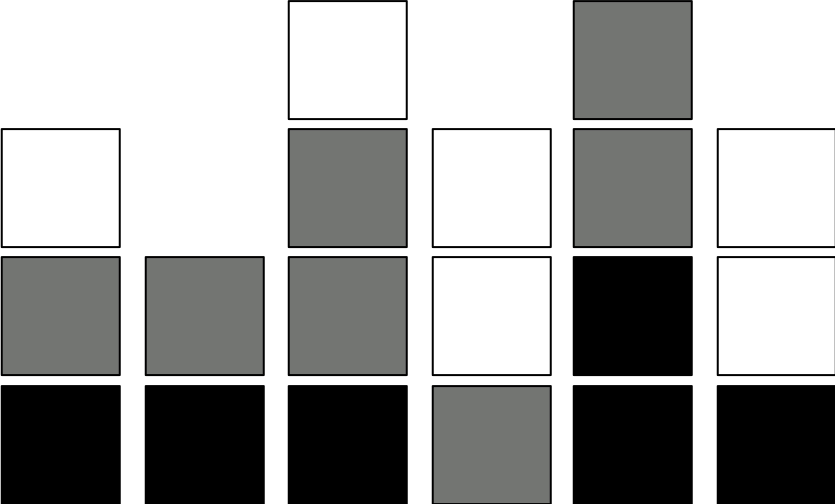
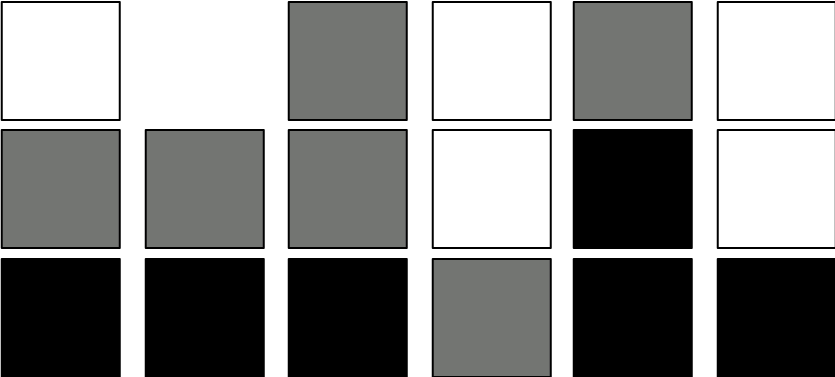
검은색 캔 3개, 회색 캔 2개, 흰색 캔 1개가 떨어지므로 12점을 얻는다. 이어서 현재 상태에서 4번 높이를 쏘면 아래와 같이 되고, 7점을 얻는다.
처음 캔을 쌓은 정보와 쏘는 높이가 순서대로 주어질 때, 각 사격에서 얻는 점수를 구하라.
입력
첫째 줄에 열의 개수 N(1 ≤ N ≤ 300,000)이 주어진다.
둘째 줄에는 각 열에 쌓인 검은색 캔의 개수를 나타내는 N개의 정수가 주어진다.
셋째 줄에는 각 열에 쌓인 회색 캔의 개수를 나타내는 N개의 정수가 주어진다.
넷째 줄에는 각 열에 쌓인 흰색 캔의 개수를 나타내는 N개의 정수가 주어진다.
모든 캔 개수는 10^6 이하인 음이 아닌 정수이다.
다음 줄에 준수가 공기총을 쏘는 횟수 M(1 ≤ M ≤ 300,000)이 주어진다.
다음 줄에는 준수가 쏘는 높이를 순서대로 나타내는 M개의 정수가 주어진다.
출력
총을 쏘는 순서대로, 각 높이를 쐈을 때 얻는 점수를 한 줄에 하나씩 출력한다.