기둥 만들기
시간 제한1초메모리 제한128 MB
네 개의 주사위 모양 정육면체를 쌓아 옆면 네 개가 모두 다른 색이 되는 기둥의 개수를, 수직축 회전으로 같아지는 경우를 하나로 세어 구합니다.
문제
주사위 모양의 정육면체가 4개 있다. 각 정육면체의 여섯 면은 빨강(R), 초록(G), 파랑(B), 노랑(Y) 중 하나로 칠해져 있다. 네 정육면체를 기둥처럼 쌓아, 기둥의 네 옆면 각각에 네 가지 색이 모두 한 번씩 보이게 만들고자 한다. 만들 수 있는 서로 다른 기둥의 개수를 구하시오.
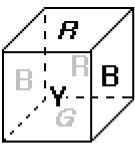 | 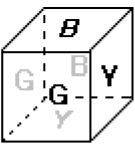 | 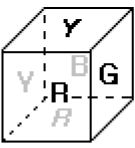 | 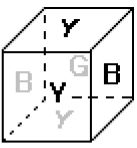 |
| 정육면체 1 | 정육면체 2 | 정육면체 3 | 정육면체 4 |
| 그림 1 |
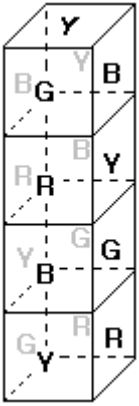 | 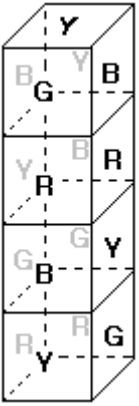 | 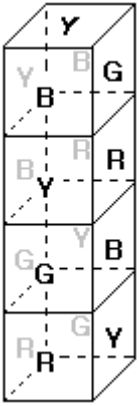 |
| 그림 2 | 그림 3 | 그림 4 |
쌓는 순서는 고정되어 있다. 1번 정육면체를 맨 아래에 놓고, 그 위에 2번, 3번, 4번 정육면체를 차례로 올린다. 각 정육면체는 원하는 방향으로 돌려서 놓을 수 있다. 그림 1의 네 정육면체로는 그림 2와 그림 3처럼 조건을 만족하는 기둥을 만들 수 있다.
기둥 전체를 옆으로 회전했을 때 같은 모양이 되는 경우는 하나의 기둥으로 센다. 따라서 그림 3의 기둥과 그림 4의 기둥은 같은 기둥이다. 맨 위에 보이는 면의 색이 다르면 서로 다른 기둥으로 보며, 맨 아래 면은 보이지 않으므로 구분하지 않는다.
입력
첫째 줄부터 넷째 줄까지 1번, 2번, 3번, 4번 정육면체의 정보가 순서대로 주어진다. 각 줄은 6개의 영문자로 이루어져 있으며, 각 문자는 R, G, B, Y 중 하나이다. 여섯 문자는 그림 5의 가, 나, 다, 라, 마, 바 면의 색을 이 순서대로 나타낸다.
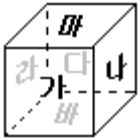
그림 5
출력
조건을 만족하는 서로 다른 기둥의 개수를 출력한다. 만들 수 있는 기둥이 없다면 0을 출력한다.