나이트
시간 제한1초메모리 제한128 MB
제한된 방향으로만 움직이는 나이트들을 매턴 모두 이동시켜야 하는 게임에서 선공인 앨리스가 이길 수 있는지 판정합니다.
문제
앨리스와 밥이 체스판에서 게임을 한다. 처음에 개의 검은 나이트가 판 위에 놓여 있다. 어떤 두 나이트도 같은 칸에서 시작하지 않으며, 모든 나이트는 시작할 때 적어도 하나의 합법적인 이동을 가진다.
두 사람은 번갈아 차례를 진행하며 앨리스가 먼저 둔다. 각 차례에 현재 플레이어는 아직 합법적인 이동이 하나라도 남아 있는 모든 나이트를 반드시 움직여야 한다. 합법적인 이동이 없는 나이트는 그 칸에 그대로 남는다. 칸 에 있는 나이트는 목적지가 판 안(두 좌표가 모두 이상 이하)에 있는 한 다음 네 칸 중 하나로 이동할 수 있다:
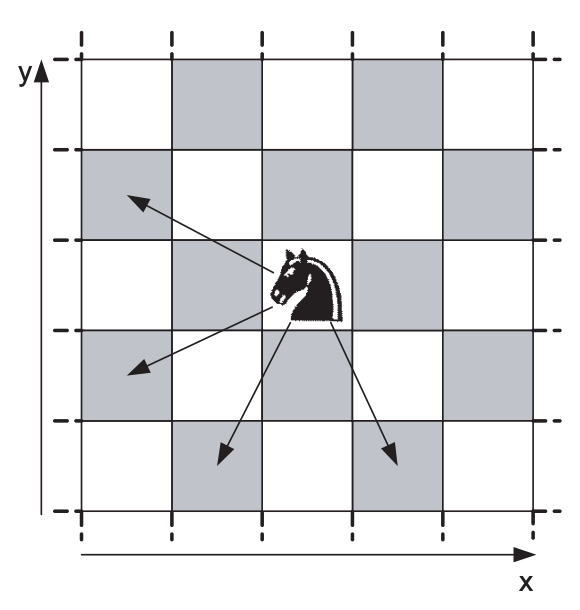
여러 나이트가 같은 칸을 차지할 수 있다. 어떤 나이트도 움직일 수 없게 된(모든 나이트가 막힌) 플레이어가 진다. 두 플레이어 모두 최적으로 둔다고 가정한다.
먼저 두는 앨리스가 이길 수 있는지 판정하라.
입력
첫 번째 줄에 두 정수 와 이 주어진다 (, ).
다음 개의 줄에는 각각 두 정수 와 가 주어지며 (), 번째 나이트가 놓인 칸을 나타낸다. 어떤 두 나이트도 같은 칸에 있지 않으며, 모든 나이트는 적어도 하나의 합법적인 이동을 가진다.
출력
앨리스가 승리를 강제할 수 있으면 YES를, 그렇지 않으면 NO를 한 줄에 출력한다.