자동차 휠 도둑
시간 제한3초메모리 제한256 MB
별 모양 극좌표 다각형으로 주어진 볼트 구멍과 여러 렌치 돌기에 대해, 끼울 수는 있지만 완전히 회전은 못 하는 렌치를 모두 찾는 문제입니다.
문제
토미는 자동차 휠을 훔치는 도둑이다. 예전에는 일이 아주 쉬웠다. 차를 들어 올리고, 휠 볼트를 풀고, 휠을 떼어 달아나면 그만이었다. 하지만 요즘은 모두가 "도난 방지" 볼트를 사용한다.
도난 방지 볼트는 일반 렌치로는 풀 수 없도록 설계되어 있다. 볼트 머리는 구멍이 뚫린 원기둥 모양이며, 이 볼트를 풀려면 구멍 모양과 정확히 들어맞는 돌기(lug)가 달린 링 형태의 전용 렌치가 필요하다.

토미는 가능한 모든 도난 방지 볼트에 맞는 렌치를 다 가지고 다닐 수는 없다. 다행히도, 정확히 들어맞지 않는 렌치로도 볼트를 풀 수 있는 경우가 있다.
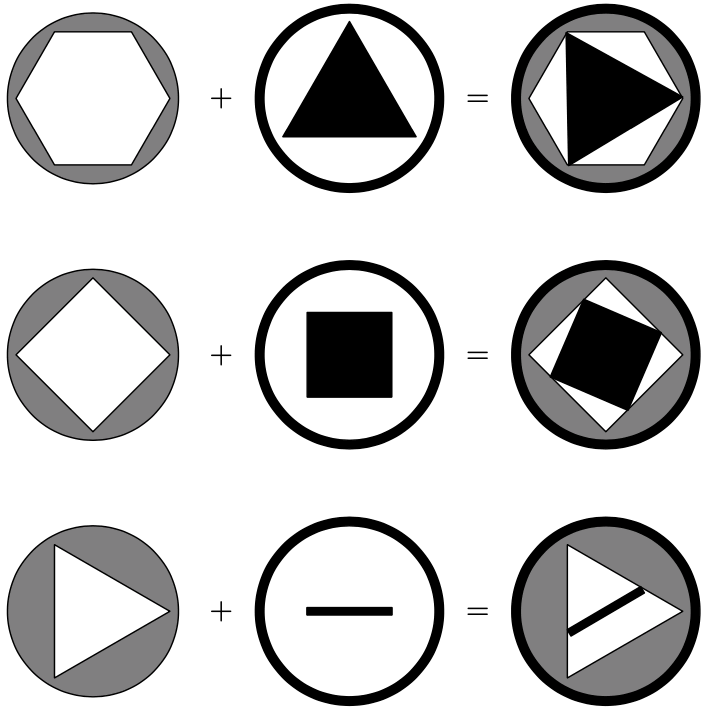
엄밀히 말하면, 어떤 렌치로 볼트를 풀 수 있는 것은 다음 두 조건이 모두 성립할 때, 그리고 오직 그때뿐이다.
- 렌치의 돌기가 볼트 머리의 구멍 안에 들어가도록 렌치의 링을 볼트 머리에 끼울 수 있다.
- 볼트를 고정한 상태에서 렌치를 완전히 한 바퀴 돌릴 수 없다.
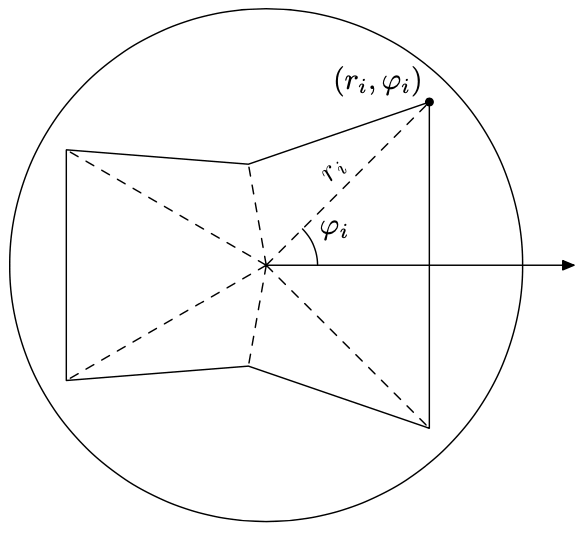
볼트 머리의 구멍과 렌치의 돌기는 모두 중심이 볼트(또는 렌치)의 중심에 있는 별 모양 다각형이다. 이를 극좌표로 순서쌍 의 수열로 나타내면 이고 를 만족하므로, 중심은 항상 다각형 내부에 놓인다.
토미가 가진 렌치들 중 어떤 것으로 볼트를 풀 수 있는지 판별하여라.
입력
첫 줄에 두 정수 과 이 주어진다. 은 렌치의 개수, 은 볼트 머리와 렌치 링의 반지름이다 (, ).
이어서 볼트 머리가 주어진다. 먼저 꼭짓점의 개수 () 이 주어지고, 그다음 개의 정수쌍 가 주어진다 (; ; ; ; ).
그 뒤로 개의 렌치가 같은 형식으로 주어진다.
출력
첫 줄에 볼트를 풀 수 있는 렌치의 개수를 출력한다. 둘째 줄에는 그 렌치들의 번호(1부터 시작)를 오름차순으로 공백으로 구분하여 출력한다. 풀 수 있는 렌치가 하나도 없으면 첫 줄(0)만 출력한다.