카드 오버행
면접 대비시간 제한1초메모리 제한128 MB
각 목표 오버행 c에 대해 조화합 1/2 + 1/3 + ... + 1/(n+1)이 c 이상이 되는 최소 카드 수 n을 구해 보고한다.
문제
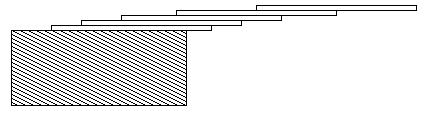
책상 위에 카드를 겹쳐 쌓을 때, 카드 더미를 책상 끝 밖으로 얼마나 멀리 내밀 수 있을까요? 카드가 한 장이라면 카드 길이의 절반만큼 내밀 수 있습니다(모든 카드는 책상과 수직을 이룬다고 가정합니다). 카드가 두 장이라면 위 카드를 아래 카드보다 카드 길이의 만큼, 아래 카드를 책상 끝보다 만큼 내밀어, 최대 카드 길이만큼 내밀 수 있습니다.
일반적으로 카드가 장이면
카드 길이만큼 내밀 수 있습니다. 맨 위 카드는 두 번째 카드보다 만큼, 두 번째 카드는 세 번째 카드보다 만큼, 세 번째 카드는 네 번째 카드보다 만큼 내밀며, 맨 아래 카드는 책상 끝보다 만큼 내밉니다. 아래 그림은 이를 나타냅니다.
입력
입력은 하나 이상의 테스트 케이스로 이루어지며, 마지막에는 입력의 끝을 알리는 0.00 한 줄이 옵니다. 각 테스트 케이스는 양의 실수 하나가 적힌 한 줄이며, 의 값은 이상 이하이고 항상 유효숫자 세 자리(X.YZ 형태)를 가집니다.
출력
각 테스트 케이스마다, 내민 길이가 카드 길이 이상이 되도록 하는 데 필요한 최소 카드 수를 출력합니다. 테스트 케이스마다 한 줄씩, 정확히 N card(s) 형태로 출력하세요. 여기서 N은 그 최소 카드 수입니다.