문
면접 대비시간 제한1초메모리 제한128 MB
폭 10, 높이 10인 정사각형 방 안에 두 개의 출입구가 있는 수직 벽이 최대 18개 있을 때, (0,5)에서 (10,5)까지 벽의 막힌 부분을 지나지 않는 최단 경로의 길이를 구한다.
문제
장애물 벽이 있는 방을 가로지르는 최단 경로의 길이를 구한다.
방은 , , , 을 변으로 하는 정사각형이다. 모든 경로는 에서 시작해 에서 끝난다.
방 내부에는 개에서 개의 수직 벽이 있으며, 각 벽에는 통과할 수 있는 출입구가 정확히 두 개씩 있다. 벽은 두 출입구를 제외한 나머지 부분이 모두 막혀 있다. 아래 그림은 이러한 방과 그 안의 최단 경로 하나를 보여 준다.
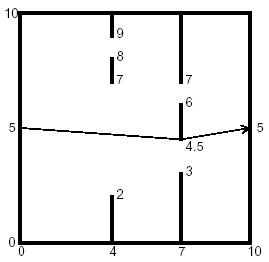
어떤 벽의 막힌 부분도 지나지 않으면서 에서 까지 가는 최단 경로의 길이를 구하여라.
입력
입력은 여러 개의 방으로 이루어진다.
각 방은 내부 벽의 개수 ()이 적힌 줄로 시작하고, 이어서 벽마다 한 줄씩 총 개의 줄이 온다. 각 벽 줄에는 다섯 개의 실수가 있다.
- 벽의 좌표 (), 그리고
- 두 출입구의 끝점을 나타내는 네 개의 좌표 .
벽은 , , 구간에서 막혀 있고, 두 출입구 와 에서 열려 있다.
한 방의 벽들은 의 오름차순으로 주어지며, 한 줄 안의 네 좌표도 오름차순이다.
벽의 개수 자리에 이 있는 줄이 나오면 입력이 끝난다.
출력
각 방마다 최단 경로의 길이를 한 줄에 출력한다. 소수점 아래 정확히 두 자리까지 반올림하여, 두 자리가 이더라도 항상 표시한다. 줄에는 공백이 없어야 한다.