유클리드 시계
시간 제한1초메모리 제한128 MB
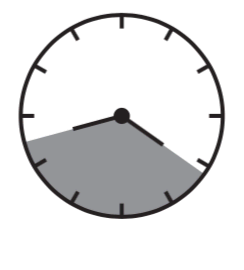
두 시각과 반지름이 주어질 때, 두 시각 사이로 시침이 쓸고 지나간 부채꼴의 넓이를 구한다.
문제
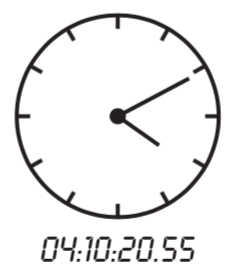
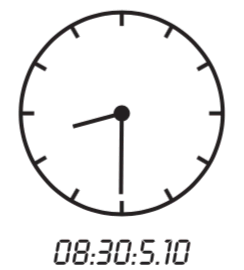
고전적인 두 바늘(시침과 분침) 12시간 시계를 생각하자. 단, 이 시계는 매우 정밀해서 시, 분, 초에 더해 100분의 1초까지 시각을 표시할 수 있다. 이 시계는 0:0:0.00부터 11:59:59.99까지(양 끝 포함) 어떤 시각이든 나타낼 수 있으며, 시각은 시:분:초.100분의1초 형식으로 적는다.
이런 시계 두 개가 주어진다. 첫 번째 시계가 가리키는 시각은 두 번째 시계가 가리키는 시각보다 항상 엄격히 이르다. 또한 시계판의 반지름이 주어진다. 두 시계의 짧은 바늘(시침)만 생각하자. 첫 번째 시계 시침의 위치에서 시작해 시계 방향으로 두 번째 시계 시침의 위치까지 쓸고 지나가면, 이 두 시침 위치가 시계판에서 부채꼴 하나를 잘라낸다. 그 부채꼴의 넓이를 구하여라.
두 시각 모두 같은 12시간 구간 안에 있고 첫 번째 시각이 더 이르므로, 두 번째 시침은 항상 첫 번째 시침보다 시계 방향으로 더 나아가 있다. 따라서 쓸고 지나간 부채꼴은 한 바퀴를 넘지 않으며 항상 잘 정의된다.
입력
첫 번째 줄에는 테스트 케이스의 개수를 나타내는 정수 가 주어진다. 이어서 각 테스트 케이스가 세 줄씩 주어진다.
각 테스트 케이스의 첫 번째 줄에는 첫 번째 시계의 시각을 나타내는 네 정수가 주어진다.
H M S U
여기서 는 시, 은 분, 는 초, 는 100분의 1초이며, , , , 이다.
두 번째 줄에는 같은 형식으로 두 번째 시계의 시각이 주어진다.
세 번째 줄에는 시계의 반지름을 나타내는 실수가 주어진다. 반지름은 최대 10,000이다.
출력
각 테스트 케이스마다 다음 형식으로 한 줄에 답을 출력한다.
k. f
여기서 는 테스트 케이스 번호(1부터 시작)이고, 는 소수점 아래 셋째 자리까지 반올림한 답이다.