다이아몬드 상인
면접 대비시간 제한1초메모리 제한128 MB
시계 방향으로 주어진 단순 다각형마다 오목 꼭짓점(움푹한 곳)의 수와 움푹한 곳에 닿지 않는 변의 수를 세고, -a*p + b*q와 0 중 큰 값을 출력한다.
문제
저우(Chou) 씨는 이차원 평면 세계의 다이아몬드 상인입니다. 성공한 사업가가 되려면 자신이 다루는 (이차원) 다이아몬드의 가치를 정확히 알아야 합니다. 저우 씨는 손으로 가치를 계산하는 일에 지쳤고, 여러분이 그를 대신해 계산해 주는 프로그램을 작성해야 합니다.
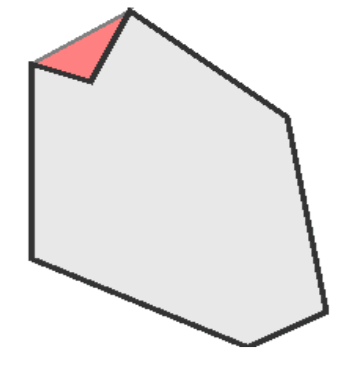
다이아몬드의 가치는 표면의 매끄러움으로 결정됩니다. 매끄러움은 표면을 이루는 면의 개수에 달려 있으며, 면이 많을수록 표면이 더 매끄럽습니다. 표면에 (그림에서 빨간색으로 표시된) 움푹 들어간 부분, 즉 덴트(dent)가 있으면 다이아몬드의 가치는 떨어집니다.
다이아몬드는 꼭짓점들로 정의되는 단순 다각형으로 주어집니다. 다각형의 오목한 꼭짓점(내각이 180도보다 큰 꼭짓점) 하나하나가 덴트이고, 다각형의 각 변이 하나의 면입니다. 어떤 변의 두 끝점 중 하나라도 오목한 꼭짓점이면, 그 면은 어떤 덴트에 속한 것으로 봅니다.
덴트의 개수를 , 어떤 덴트에도 속하지 않는 면의 개수를 라 하면, 다이아몬드의 가치 는 다음과 같습니다.
여기서 는 덴트 하나에 대한 감점, 는 면 하나의 가치입니다. 가 음수이면 그 다이아몬드는 가치가 없으며, 가치는 입니다.
입력
첫 번째 줄에 테스트 케이스의 개수 가 주어집니다.
각 테스트 케이스는 다음과 같이 구성됩니다.
- 한 줄에 세 정수 , , 이 주어집니다. 는 덴트 하나에 대한 감점(), 는 면 하나의 가치(), 은 다이아몬드의 모양을 나타내는 꼭짓점의 개수()입니다.
- 이어지는 개의 줄에는 각각 두 정수 , ()가 주어집니다. 이는 다각형의 꼭짓점을 시계 방향으로 나열한 것입니다: .
한 다이아몬드 안에서는 어떤 세 꼭짓점도 한 직선 위에 있지 않습니다.
출력
각 테스트 케이스마다 그 다이아몬드의 가치를 한 줄에 하나의 정수로 출력합니다.