Winmine (지뢰찾기)
시간 제한2초메모리 제한512 MB
드러난 숫자 각각이 주변 지뢰 수와 일치하도록 남은 지뢰를 미공개 칸에 배치하는 경우의 수를 1000003으로 나눈 나머지로 구한다.
문제
지뢰찾기(Winmine)는 윈도우에 기본으로 들어 있는 유명한 게임이다. 규칙은 간단하다. 지뢰가 없는 칸을 모두 열면 이기고, 지뢰가 있는 칸을 열면 진다.
칸을 열면 그 아래에 무엇이 있는지 드러난다. 어떤 칸은 비어 있고(주변에 지뢰가 없음), 어떤 칸에는 1부터 8까지의 숫자가 적혀 있다. 이 숫자는 그 칸과 인접한 8개 칸에 들어 있는 지뢰의 개수를 뜻한다. 비어 있는 칸(숫자 0)을 열면 인접한 빈 칸들이 연쇄적으로 함께 열린다.
Jaddy는 이 게임을 즐기지만, 가끔 논리만으로는 지뢰의 위치를 확정할 수 없는 상황에 부딪힌다. 아래 그림이 그런 예이다.
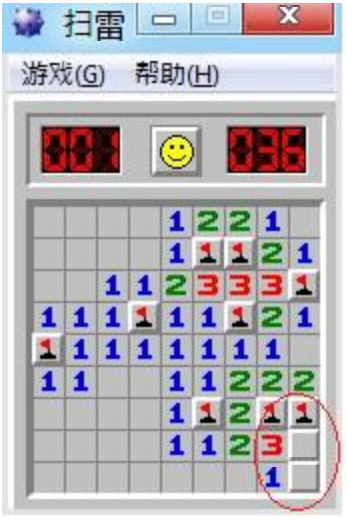
빨간 원 안의 두 칸은 어느 쪽에 지뢰가 있는지 확정할 수 없으며, 남은 지뢰 1개를 배치하는 방법이 명백히 두 가지 있다.
이런 상황에서는 추측에 의존할 수밖에 없다. 그래서 Jaddy는 현재 판의 상태를 보고, 남은 지뢰를 배치할 수 있는 서로 다른 경우의 수를 세어 주는 도구를 원한다. 그를 도와주자.
문제를 쉽게 하기 위해 입력에는 다음 두 조건이 보장된다.
- 주어지는 판의 상태는 초기 판에서 단 한 번의 클릭으로 만들어 낼 수 있는 상태이다.
- 아직 열리지 않은 칸들에 대해, 두 칸이 (사이의 다른 열리지 않은 칸들을 거쳐서라도) 연결되어 있다면, 이 두 칸은 이중 연결(biconnected)되어 있다. 즉, 다른 열리지 않은 칸 중 어느 하나를 제거하더라도 두 칸은 여전히 연결된 상태로 남는다. 여기서 두 칸이 연결되어 있다는 것은 변을 공유한다는 뜻이므로, 한 칸은 최대 4개의 칸과 연결된다.
입력
입력은 여러 개의 테스트 케이스로 이루어진다. 첫 줄에 테스트 케이스의 수를 나타내는 양의 정수 ()가 주어진다. 이어서 개의 테스트 케이스가 주어진다.
각 테스트 케이스의 첫 줄에는 세 양의 정수 , , 가 주어진다 (, ). 과 은 각각 판의 행과 열의 수이고, 는 판 전체에 놓인 지뢰의 총 개수이다.
그다음 줄부터 현재 판의 상태를 나타내는 문자 격자가 주어진다. 각 문자는 다음 둘 중 하나이다.
- 숫자
0부터8: 그 칸에 인접한 8개 칸에 들어 있는 지뢰의 개수 (0은 인접한 지뢰가 없는 빈 칸). .(마침표): 아직 열리지 않은 칸.
출력
각 테스트 케이스마다 한 줄씩, Case #k: X 형식으로 출력한다. 여기서 는 테스트 케이스 번호(1부터 시작)이고, 는 주어진 상태에서 지뢰를 배치할 수 있는 서로 다른 경우의 수를 으로 나눈 나머지이다.