번즈의 막대
시간 제한1초메모리 제한128 MB
길이 N인 막대의 각 단면 여섯 색과 양 끝 두 색이 주어질 때, 180도 비틀기만으로 같은 색 라벨이 정확히 같은 면에 오도록 만들 수 있는지 판정한다.
문제
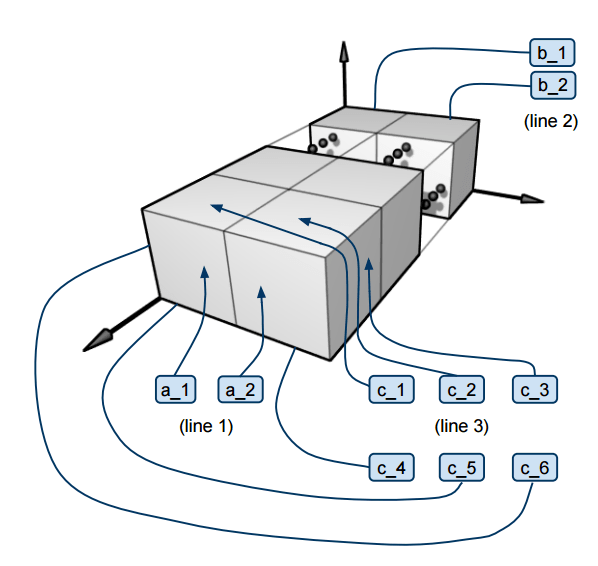
몽고메리 번즈가 크기 () 인 막대 하나를 손에 넣었습니다. 이 막대는 표준적인 루빅스 큐브처럼 회전하며, 모두 가지 방법으로 비틀 수 있고, 모든 회전은 180도의 배수만큼만 이루어집니다(아래 그림 참고).
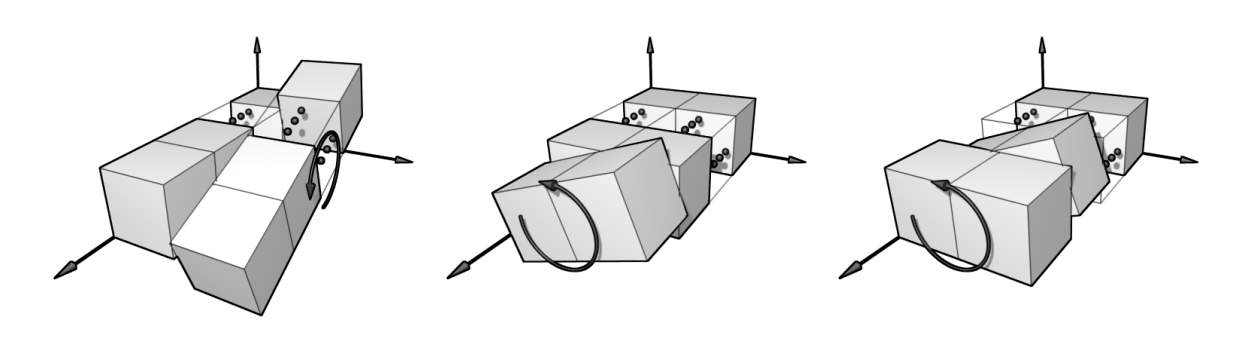
긴 막대는 등 긁개, 리모컨 대용, 그리고 웨일런 스미더스를 쿡쿡 찌르는 도구 등 온갖 일상적인 심부름에 요긴하게 쓰였습니다. 그런데 최근 낚싯대로 쓰던 도중, 유난히 굶주린 금붕어의 무게를 버티지 못한 번즈가 그만 막대를 연못에 빠뜨리고 말았습니다. 그 바람에 색깔 라벨이 모두 떨어져, 아무것도 붙어 있지 않은 막대와 장의 라벨, 그리고 연못에서 첨벙대는 어리둥절한 금붕어만 남았습니다.
언제나 성실한 스미더스는 라벨을 주워 다시 막대에 붙였습니다. 하지만 접착력이 사라지기 전에 서둘러 붙이느라 라벨을 되는대로 아무렇게나 붙여 버렸습니다! 지극히 합리적인 번즈는 스미더스의 일 처리가 미덥지 않아, 막대를 더 이상 맞출 수 없게 된 것은 아닌지 걱정합니다.
당신은 리사 심슨이고, 번즈가 절박하게 도움을 청해 왔습니다. 이 막대를 맞출 수 있는지 판별하세요. 여기서 막대를 '맞출 수 있다'는 것은, 위에서 설명한 회전을 적절히 여러 번 수행하여 '두 라벨의 색이 같다' ⇔ '두 라벨이 막대의 같은 면에 있다' 가 성립하도록 만들 수 있다는 뜻입니다. 또한 값싼 제조 공정 탓에, 라벨은 연못을 떠다니는 동안 색이 변했을 수도 있습니다(따라서 특정 색 값이 아니라, 현재 어떤 라벨끼리 색이 같은지에만 주목해야 합니다).
입력
입력은 여러 개의 테스트 케이스로 이루어집니다. 각 테스트 케이스의 첫 줄에는 막대의 길이를 나타내는 정수 () 이 하나 주어집니다. 이어지는 개의 줄이 붙어 있는 색을 설명합니다. 막대가 바닥에 평평하게 놓여 있고, 당신에게서 멀어지는 방향을 가리킨다고 가정합니다.
- 첫 번째 줄에는 공백으로 구분된 두 정수 (당신의 왼쪽), (당신의 오른쪽) 이 주어지며, 당신과 가장 가깝고 당신을 향한 끝면의 두 라벨 색입니다.
- 두 번째 줄에는 두 정수 (왼쪽), (오른쪽) 이 주어지며, 당신에게서 가장 멀고 반대쪽을 향한 끝면의 두 라벨 색입니다.
- 에 대해, 번째 줄에는 여섯 정수 이 주어지며, 당신에게서 번째 위치에 있는 두 블록에 붙은 색을 시계 방향으로 나열한 것입니다. 순서는 왼쪽 위, 오른쪽 위, 오른쪽, 오른쪽 아래, 왼쪽 아래, 왼쪽 입니다.
각 색은 0 이상 5 이하의 정수입니다. 입력의 끝은 인 한 줄로 표시되며, 이 줄은 처리하지 않습니다.
출력
각 테스트 케이스마다, 막대를 맞출 수 있으면 solvable 을, 그렇지 않으면 unsolvable 을 (따옴표 없이) 한 줄에 출력합니다.
힌트