섬
면접 대비시간 제한1초메모리 제한128 MB
n개의 바다 쪽 삼각형 사이의 모든 최단 통행료가 주어질 때, 경계 트리의 인접 구조와 각 변의 통행료를 복원한다.
문제
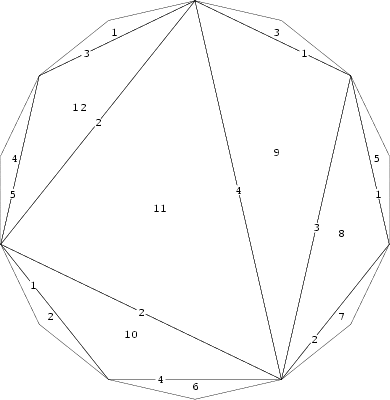
한 섬이 변이 개인 볼록 다각형 모양이다. 이 섬은 개의 나라로 나뉘어 있는데, 각 나라는 다각형의 꼭짓점들을 세 꼭짓점으로 하는 삼각형 모양이다. 즉, 서로 교차하지 않는 대각선들로 다각형을 삼각형들로 나눈 것이다.
어떤 나라도 정확히 두 나라와만 국경을 맞대고 있지는 않다. 모든 나라는 한 나라 또는 세 나라와 국경을 맞댄다. 따라서 정확히 한 나라와만 국경을 맞대는 나라가 개(이들을 해안 나라라 한다), 세 나라와 국경을 맞대는 나라가 개(이들을 내륙 나라라 한다) 있다. 해안 나라에는 번부터 번까지, 내륙 나라에는 번부터 번까지 번호가 매겨진다.
국경을 넘을 때에는 통행료를 낸다. 국경마다 통행료가 다를 수 있지만, 한 국경을 넘는 비용은 양방향 모두 같다. 각 통행료는 이상 이하의 정수이다.
두 해안 나라 와 의 모든 쌍에 대해, 넘는 국경의 수가 가장 적은 경로로 에서 까지 갈 때 내는 통행료의 합이 주어진다. (나라들의 국경 구조는 트리를 이루므로 이 경로는 유일하다.) 이 정보로부터 섬의 모든 국경과 그 통행료를 복원하라. 즉, 각 나라에 대해 이웃 나라들과 맞댄 국경 각각의 통행료를 구하라.
입력
첫 줄에 해안 나라의 수 ()이 주어진다.
다음 개의 줄에는 각각 개의 음이 아닌 정수가 공백 하나로 구분되어 주어진다. 번째 줄의 번째 정수 는 해안 나라 에서 해안 나라 까지, 넘는 국경의 수가 가장 적은 경로로 갈 때 내는 통행료의 합이다. 입력은 와 을 만족하며, 모든 국경의 통행료가 범위의 정수인 어떤 섬과 반드시 일치한다.
출력
국경들을 설명하는 개의 줄을 출력한다.
처음 개의 줄에는 해안 나라를 하나씩 설명한다. 번째 줄()에는 두 정수를 출력하는데, 해안 나라 와 국경을 맞댄 나라의 번호와 그 국경의 통행료이다.
다음 개의 줄에는 내륙 나라를 하나씩 설명한다. 내륙 나라 ()의 줄에는 여섯 개의 정수를 출력하는데, 세 이웃 나라를 이웃 번호가 작은 순서로 나열하되 각 이웃에 대해 그 번호와 맞댄 국경의 통행료를 함께 적는다.
답이 유일해지도록 내륙 나라의 번호를 다음과 같이 결정한다. 국경 트리를 해안 나라 번과 국경을 맞댄 내륙 나라에서 시작해 깊이 우선으로 탐색하며 를 붙인다. 탐색이 어떤 내륙 나라에 처음 도달하는 순간 아직 쓰지 않은 가장 작은 번호를 그 나라에 부여한다. 각 내륙 나라에서는, 그 국경을 통해 (지금 있는 나라로 되돌아가지 않고) 도달할 수 있는 해안 나라 번호의 최솟값이 작은 순서대로 아직 번호가 매겨지지 않은 이웃 내륙 나라로 이동한다.
그림
아래 그림은 이러한 섬의 한 예이다. 해안을 따라 있는 해안 나라들, 안쪽의 내륙 나라들, 그리고 그 사이의 국경들(과 통행료)을 보여준다.