대칭축
시간 제한1초메모리 제한128 MB
각 단순 다각형의 대칭축 개수를 구한다. n이 100000까지 커질 수 있어 준선형 시간에 판정해야 한다.
문제
어린 수학 신동 조니에게는 여동생 유스티나가 있습니다. 조니는 동생의 숙제를 기꺼이 도와주지만, 같은 문제를 몇 번씩 다시 확인해 달라는 부탁에는 지치고 맙니다. 어느 날 수학 선생님이 여러 도형의 대칭축을 찾는 숙제를 잔뜩 내주었고, 유스티나는 자신의 답이 맞는지 여러 번 확인하고 싶어 합니다. 바닷가로 여행을 떠나려던 조니는 유스티나의 답을 대신 검사해 줄 프로그램을 만들어 달라고 여러분에게 부탁했습니다.
다음을 수행하는 프로그램을 작성하세요.
- 표준 입력에서 여러 다각형의 정보를 읽고,
- 각 다각형의 대칭축 개수를 구한 뒤,
- 그 결과를 표준 출력에 씁니다.
대칭축이란 그 직선을 접는 선으로 삼아 도형을 반으로 접었을 때 도형이 자기 자신과 정확히 겹치게 하는 직선을 말합니다.
입력
첫째 줄에 다각형의 개수 ()가 주어집니다. 이어서 개의 다각형 정보가 차례로 주어집니다.
각 다각형 정보의 첫째 줄에는 꼭짓점의 개수 ()이 주어집니다. 다음 개의 줄에는 각 줄마다 두 정수 와 ()가 주어지며, 이는 다각형의 꼭짓점을 변을 따라 차례로 나열한 좌표입니다.
다각형은 볼록하지 않을 수도 있지만 자기 자신과 교차하지 않습니다. 즉 어떤 두 변이 공유하는 점은 많아야 하나이며, 그 점은 두 변이 실제로 맞닿을 때의 공통 끝점뿐입니다. 또한 서로 이웃한 두 변은 결코 평행하지 않습니다.
출력
정확히 개의 줄을 출력합니다. 번째 줄에는 번째 다각형의 대칭축 개수 를 정수 하나로 출력합니다.
힌트
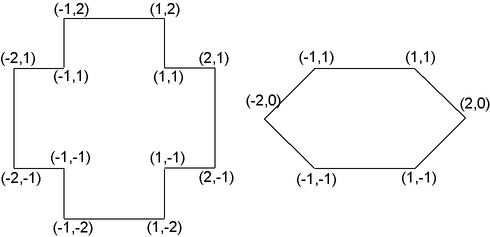
폴란드에서는 5월 초에 공휴일과 국경일이 몰려 있습니다. 5월 1일 노동절, 5월 2일 국기의 날, 5월 3일 헌법 제정 기념일이 이어지는데, 가운데 날은 공식 공휴일은 아니지만 관례상 쉬는 경우가 많습니다. 5월 1일이 월요일이거나 5월 3일이 금요일이면 긴 5월 연휴가 만들어집니다.