거미
시간 제한1초메모리 제한128 MB
규칙적으로 가지가 뻗은 칠지거미줄 위를 걷는 경로가 각 노드에서의 회전 방향으로 주어질 때, 그 경로가 이루는 닫힌 다각형 내부에 있는 거미줄 노드의 수를 구한다.
문제
바이토시아(Bajtocja)에 사는 다리가 일곱 개인 거미들은 매우 규칙적인 구조의 거미줄을 짓는다. 이 거미줄은 거미가 주로 쉬는 중심 노드 하나와, 번부터 번까지 번호가 매겨진 개의 고리로 이루어진다. 각 고리는 실로 연결된 노드들이 이루는 하나의 사이클이다.
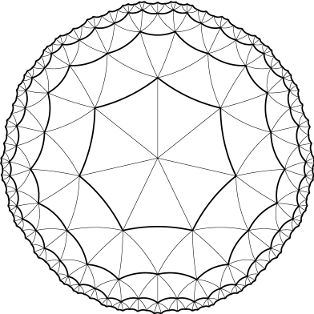
번 고리에 있는 노드를 제외한 모든 노드는 정확히 일곱 개의 다른 노드와 실로 연결되어 있다. 중심 노드는 번 고리의 일곱 노드 전부와 연결된다. 번 고리의 각 노드는 번 고리의 노드 개, 같은 번 고리에서 이웃한 두 노드, 그리고 번 고리의 연속한 개 노드와 연결된다. 이 개 노드 중 처음과 마지막 노드는 번 고리의 이웃한 두 노드와 연결되고, 나머지 노드는 한 개의 노드와만 연결된다. 이러한 거미줄은 실이 서로 교차하지 않도록 항상 평면 위에 그릴 수 있다. 아래 그림이 그 모습을 보여준다.
이런 거미줄은 매우 효율적이다. 최근에 바이타자르(Bajtazar)는 고리가 개인 거미줄 위를 거니는 거미를 관찰했다. 거미는 중심 노드에서 출발하여 실을 따라 이동한 뒤, 어떤 노드도 두 번 이상 지나지 않고 출발점으로 돌아왔다. 거미가 지나간 경로는 하나의 닫힌 다각형을 이루며, 그 다각형 내부에 있는 모든 노드에서는 파리가 한 마리씩 잡혔다. 바이타자르는 거미가 이동한 순서를 기록해 두었고, 잡힌 파리가 모두 몇 마리인지 알고 싶어 한다.
입력
첫째 줄에는 거미가 걸은 길이, 즉 거미가 방문한 노드의 수를 나타내는 정수 ()이 주어진다.
둘째 줄에는 개의 정수 ()이 주어진다. 이 값들은 거미가 각 노드에서 꺾어 나간 방향을 나타낸다. 경로 위의 번째 노드에서 거미는, 그 노드로 들어올 때 사용한 실을 번 실로 삼아 시계 방향으로 세었을 때 번째 실을 따라 빠져나갔다. 은 중심 노드를 떠난 뒤 처음 만난 노드에 대한 값이고, 은 거미가 전체 경로를 한 번 더 돌려고 할 때 중심 노드에서 꺾어야 하는 방향을 나타낸다.
출력
거미가 만든 다각형 내부에 있는 거미줄 노드의 개수를 정수 하나로 출력한다. 다각형의 경계 위에 있는 노드는 세지 않는다.
참고
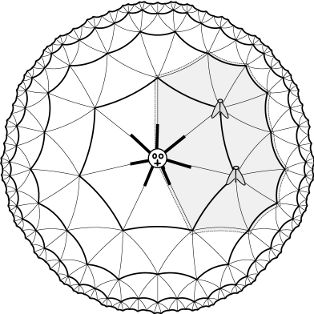
위 그림의 다각형은 거미가 지나간 경로를 나타낸다. 이 다각형 내부에는 노드가 두 개 있다. 다각형의 경계 위에 있는 노드는 개수에 포함하지 않는다는 점에 유의하라. (이 그림은 아래 예제 입력의 상황에 해당한다.)