야유 노출량 추정
시간 제한1초메모리 제한128 MB
CSV 측정값을 읽고 사다리꼴 공식으로 전체 노출량을 구해 구간과 적분값을 정해진 자릿수로 출력합니다.
문제
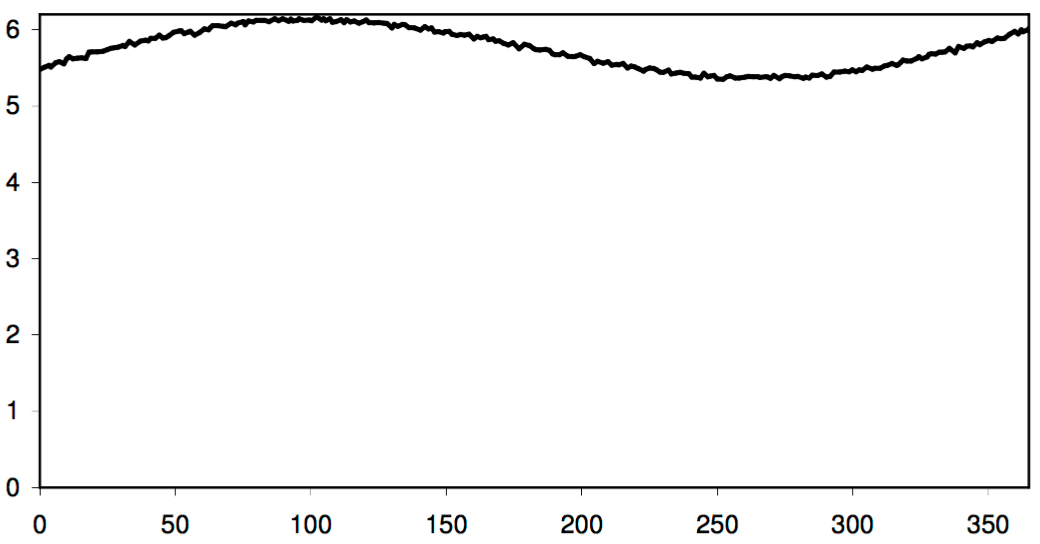
카멜롯의 용감한 기사들은 프랑스군이 점령한 성을 공격하는 동안 성벽 위에서 쏟아지는 야유를 끊임없이 받는다. 야유의 세기는 기사와 성 사이의 거리에 따라 변하고, 그때그때 달라지는 프랑스군의 기세에 따라서도 변한다. 정해진 시간 동안 기사들이 받은 야유의 총량을 추정하려고 한다.
관측 장비가 낡아서 연속 측정은 되지 않는다. 기록에 남은 것은 예측할 수 없는 시각에 띄엄띄엄 찍힌 측정값뿐이다.
야유의 총량은 데이터가 덮는 시간 구간에서 야유 세기를 적분한 값이다. 측정값에 섞인 잡음이 커서 사다리꼴 공식으로 근사하는 정도면 충분하다. 이웃한 두 측정점마다 를 구해서 모두 더하면 된다.
입력
첫 줄에 측정점의 개수 이 주어진다.
다음 개의 줄에 측정점이 한 줄에 하나씩 주어진다. 각 줄은 쉼표로 구분된 실수 두 개이고, 쉼표 뒤에는 공백이 올 수 있다. 앞의 값이 좌표(측정 시각), 뒤의 값이 좌표(야유 세기 측정값)다. 스프레드시트로 바로 열 수 있는 CSV 형식이라고 보면 된다.
좌표는 증가하는 순서로 주어진다.
이고, 모든 좌표는 절댓값이 이하이며 소수점 아래 여섯째 자리까지만 주어진다.
출력
첫 값, 마지막 값, 계산한 적분값을 다음 형식으로 한 줄에 출력한다.
<첫 x> to <마지막 x>: <적분값>
값은 소수점 아래 둘째 자리까지, 적분값은 소수점 아래 넷째 자리까지 반올림해서 쓴다. 측정점이 하나뿐이면 적분값은 이고 두 값은 서로 같다.
모든 테스트 데이터는 반올림 경계에서 충분히 떨어져 있으므로, 배정밀도 부동소수점으로 계산해도 출력할 자릿수가 하나로 정해진다.