개미 가두기
시간 제한3초메모리 제한256 MB
개미 좌표의 X와 Y 최솟값과 최댓값으로 경계 사각형을 구해 넓이와 둘레를 출력합니다.
문제
친구 오스카가 얼마 전에 개미 사육장을 샀다. 그런데 실수로 개미를 바닥에 풀어놓는 바람에 지금 개미가 사방으로 기어다니고 있다. 개미가 더 흩어지지 않도록 하나로 이어진 직사각형 울타리로 둘러싸려고 한다. 다만 울타리 자재의 한계 때문에 울타리의 변은 X축과 Y축에 나란해야 한다. 아래 그림은 개미 무리를 둘러싼 울타리의 예다. 울타리와 바깥쪽 개미 사이를 살짝 띄워 그린 것은 그림을 보기 쉽게 하려는 것뿐이다.
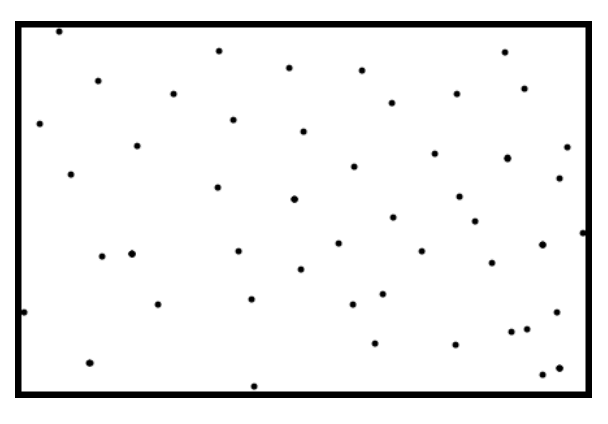
모든 개미를 담는 가장 작은 울타리의 넓이와 둘레를 구하라.
입력
첫 줄에 테스트 케이스의 개수 ()가 주어진다.
각 테스트 케이스의 첫 줄에는 개미의 수 ()이 주어진다. 이어지는 개 줄에는 개미 한 마리의 위치를 나타내는 두 실수 와 ()가 공백으로 구분되어 주어진다. 좌표는 소수점 아래 최대 세 자리까지 주어진다. 개미는 넓이가 없는 점이다.
출력
각 테스트 케이스마다 한 줄에 Case x: Area A, Perimeter P 형식으로 출력한다. 는 1부터 시작하는 테스트 케이스 번호, 는 울타리의 넓이, 는 울타리의 둘레다.
와 는 모두 소수점 아래 여섯 자리까지 출력한다. 입력 좌표의 소수점 자릿수가 세 자리 이하이므로 두 값 모두 여섯 자리로 오차 없이 나타낼 수 있다.