색칠하기
시간 제한1초메모리 제한128 MB
완성된 보드를 행이나 열 단위로 칠해 만들 수 있는 사전 순으로 가장 작은 색상 순서를 복원합니다.
문제
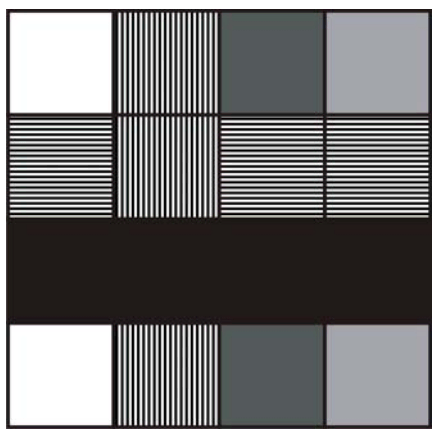
Ethan은 크기의 판에 그림을 그리려고 한다. 붓의 폭은 칸 하나와 같고, 한 번 칠할 때마다 아직 쓰지 않은 새 색을 골라 판의 한 행 전체 또는 한 열 전체를 칠한다. 나중에 칠한 색은 아래에 있던 색을 완전히 덮는다.
완성된 그림은 이미 정해져 있지만, Ethan은 어떤 색부터 칠해야 하는지 모른다. 완성된 그림을 보고 색을 칠한 순서를 알아내자.
입력
입력은 여러 개의 테스트 케이스로 이루어진다. 각 테스트 케이스의 첫 줄에는 판의 크기를 나타내는 두 정수 과 이 주어진다 (). 이어지는 개의 줄에는 각각 개의 정수가 주어지며, 이는 각 칸의 색이다. 색은 모두 보다 작은 양의 정수이다.
입력의 마지막 줄에는 이 두 개 주어진다.
주어지는 그림은 모두 위 규칙대로 실제로 칠할 수 있고, 사용한 색은 하나도 빠짐없이 완성된 그림에 남아 있다.
출력
각 테스트 케이스마다 색을 칠한 순서를 한 줄에 공백 하나로 구분해 출력한다.
가능한 순서가 여럿이면 사전순으로 가장 앞서는 것을 출력한다. 두 순서를 비교할 때는 색 번호 하나를 기호 하나로 보고 앞에서부터 차례대로 비교하며, 처음으로 달라지는 자리에서 색 번호가 더 작은 쪽이 앞선다.