개미굴
시간 제한3초메모리 제한256 MB
개미 무리가 모든 잎 방에서 들어가 각 방마다 균등하게 나뉘고 나머지는 사라지며 특정 통로를 정확히 k마리로 지나는 무리를 셉니다.
문제
개미들이 먹이를 찾아 버려진 개미굴을 뒤지고 있다. 개미굴에는 방이 개 있고 방을 잇는 통로가 개 있다. 어느 방에서 다른 어느 방으로 가는 경로는 항상 하나뿐이다. 즉 방과 통로는 트리를 이룬다.
통로가 하나만 이어진 방에는 개미굴 입구가 있다. 입구마다 개미 마리로 이루어진 무리 개가 기다리고 있다. 무리는 차례로 들어가고, 앞의 무리가 개미굴 안에서 모두 빠져나온 뒤에 다음 무리가 들어간다. 개미굴 안에서 개미는 이렇게 움직인다.
- 아직 지나지 않은 통로가 개 있는 방에 무리가 들어오면, 무리는 크기가 같은 무리 개로 나뉜다. 새로 생긴 무리는 각각 통로 개 가운데 하나를 따라간다. 이면 무리는 개미굴을 빠져나간다.
- 똑같이 나눌 수 없으면 강한 개미가 약한 개미를 잡아먹어서 정확히 나누어떨어질 때까지 수를 줄인다. 개미 수는 0까지도 줄어들 수 있으므로 이런 분할은 언제나 가능하다. 나누어떨어지게 만드는 일을 막을 방법은 없다. 개미는 자기 자신도 잡아먹을 수 있고, 무리의 크기가 보다 작으면 마지막 한 마리가 그렇게 한다.
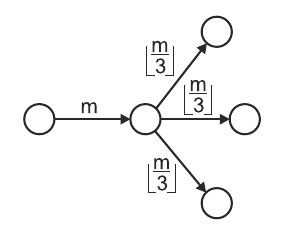
아래 그림은 아직 지나지 않은 통로가 3개인 방에 개미 마리가 들어와서 각각 마리인 무리 3개로 나뉘는 모습이다.
배고픈 개미핥기가 통로 하나를 파고들어서 그 통로를 지나는 개미를 모두 먹을 수 있게 되었다. 그런데 개미핥기도 개미만큼 수에 까다로워서, 지나가는 무리의 크기가 정확히 일 때만 그 무리를 먹는다. 개미핥기가 먹는 개미가 모두 몇 마리인지 구하라.
입력
첫째 줄에 정수 , , 가 공백 하나로 구분되어 주어진다 (, ). 차례로 방의 수, 개미 무리의 수, 개미핥기가 한 번에 먹는 개미 수이다. 방 번호는 1번부터 번까지이다.
둘째 줄에 정수 가 공백 하나로 구분되어 주어진다 (). 는 모든 입구에서 번째로 들어가는 무리의 개미 수이다.
이어지는 개 줄에는 개미굴의 통로가 하나씩 주어진다. 번째 줄에는 정수 와 가 공백 하나로 구분되어 주어지고 (), 방 와 방 가 통로로 이어져 있다는 뜻이다. 개미핥기는 입력에서 가장 먼저 주어진 통로를 파고들었다.
출력
개미핥기가 먹는 개미 수를 한 줄에 출력한다.
힌트
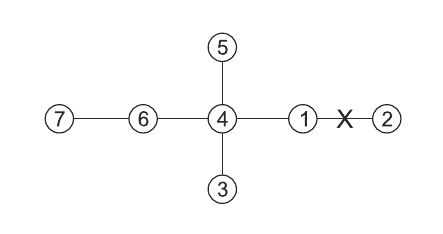
첫 번째 예제에서 방 2번, 3번, 5번, 7번 옆에 개미 무리가 5개씩 있다. 개미핥기는 방 2번에서 출발한 첫 번째 무리에서 3마리를 먹고, 방 3번, 5번, 7번에서 출발한 네 번째 무리와 다섯 번째 무리에서 각각 3마리씩 먹는다. 그림의 X 표시가 개미핥기가 파고든 통로이다.