인경호의 징검다리
시간 제한5초메모리 제한256 MB
1번 돌에서 N번 돌까지 한 번에 K칸 이하로 점프하며 밟은 돌에 적힌 수들의 곱의 끝에 오는 0이 가장 적어지도록 합니다.
문제
인경호에는 연못을 가로지르는 특별한 징검다리가 있다. 이 징검다리에는 다음 성질이 있다.
- 돌은 모두 개이고, 놓인 순서대로 1번부터 번까지 번호가 붙어 있다. 각 돌에는 양의 정수가 하나씩 적혀 있다.
- 돌의 강도는 모두 로 같고, 를 넘는 힘을 받으면 부서진다.
- 매일 자정이 되면 돌의 개수 , 돌의 강도 , 각 돌에 적힌 수가 새로 바뀐다.
매일 같은 길로 등교하는 것이 지루했던 송이는 이 징검다리로 놀이를 하며 등교한다. 1번 돌에서 시작해 번호가 커지는 순서로 돌을 몇 개 밟고 번 돌에서 끝낸 다음, 밟은 돌에 적힌 수를 모두 곱한다. 1번 돌과 번 돌에 적힌 수도 곱에 들어간다. 놀이의 목표는 이 곱의 trailing zero를 가장 적게 만드는 것이다. trailing zero는 가장 낮은 자릿수부터 이어지는 0의 개수를 뜻한다. 10, 10100, 20151128의 trailing zero는 각각 1, 2, 0이다.
1번 돌에서 번 돌까지 한 번에 뛰면 trailing zero를 쉽게 줄일 수 있다. 하지만 돌은 를 넘는 힘을 받으면 부서지므로 언제나 그렇게 할 수는 없다. 돌에 가해지는 힘은 뛴 거리로 정해진다. 번 돌에서 번 돌로 뛰면 번 돌은 의 힘을 받는다. 1번 돌에서 번 돌까지 한 번에 뛰면 1번 돌이 받는 힘은 이 된다. 따라서 한 번에 뛸 수 있는 거리는 최대 다.
아래 그림은 , 인 경우다.
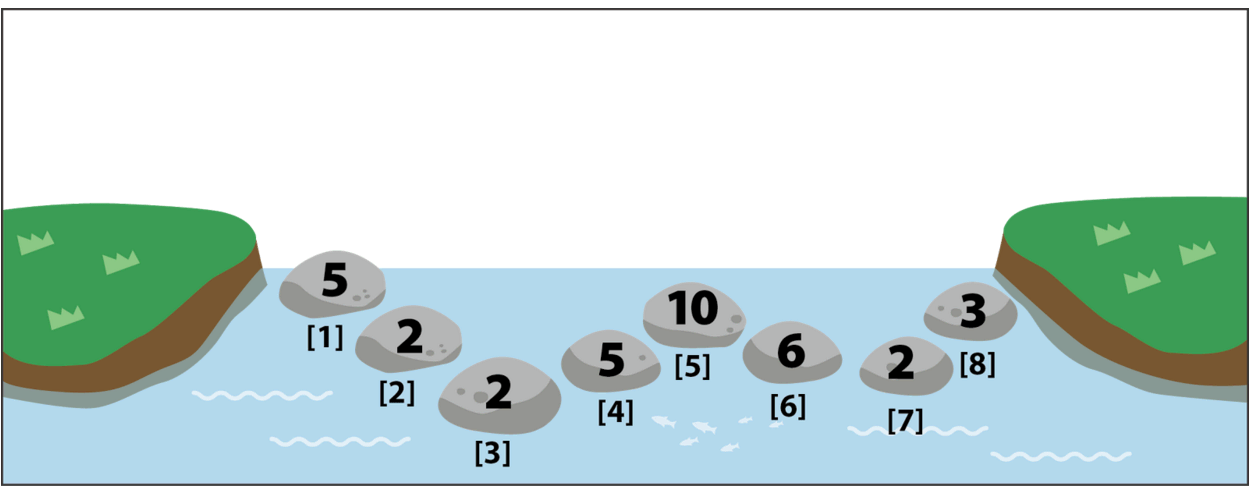
1번과 8번만 밟으면 곱이 가 되어 trailing zero는 0이다. 하지만 1번 돌이 받는 힘이 7이므로 에서는 불가능하다. 1번, 2번, 4번, 5번, 7번, 8번을 차례로 밟으면 곱은 3000이고 trailing zero는 3이다. 1번, 3번, 4번, 6번, 8번을 차례로 밟으면 곱은 900이고 trailing zero는 2다. 이 경우가 최소이며, trailing zero를 2보다 작게 만드는 순서는 없다.
돌의 개수가 크게 늘어난 뒤로 송이는 최적의 순서를 직접 찾지 못하게 되었다. 징검다리의 상태가 주어질 때 trailing zero의 개수를 최소로 만드는 프로그램을 작성하자.
입력
첫 줄에 송이가 등교하는 날의 수 ()가 주어진다. 다음 줄부터 개의 징검다리 정보가 각각 두 줄에 걸쳐 주어진다.
각 정보의 첫 줄에는 돌의 개수 ()과 돌의 강도 ()가 공백으로 구분되어 주어진다. 둘째 줄에는 1번 돌부터 번 돌까지 번호가 커지는 순서로 각 돌에 적힌 값 ()가 주어진다.
모든 날의 을 더한 값은 200000을 넘지 않는다.
출력
송이가 등교한 날마다 한 줄에 하나씩, 놀이를 최적으로 했을 때 얻을 수 있는 trailing zero의 개수를 출력한다. 놀이는 항상 1번 돌에서 시작해 번 돌에서 끝나야 하고, 돌은 번호가 커지는 순서로 밟아야 한다. 곱하는 값에는 1번 돌과 번 돌의 값도 들어간다. 놀이를 최적으로 한다는 것은 trailing zero를 가능한 한 적게 만든다는 뜻이다.