새해 전야의 와인 잔 피라미드
시간 제한5초메모리 제한512 MB
맨 위 잔에 B병을 부어 넘친 양이 아래 세 잔에 균등하게 흐를 때 L층 N번 잔에 담긴 양을 계산합니다.
문제
새해 전야 파티에 와인 잔이 피라미드 모양으로 쌓여 있다. 맨 위 층에는 잔이 하나, 두 번째 층에는 세 개, 세 번째 층에는 여섯 개, 네 번째 층에는 열 개가 놓인다.
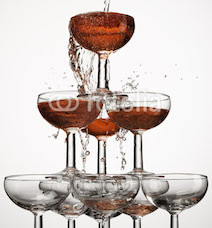
각 잔은 두 수 과 으로 구분한다. 은 잔이 놓인 층이고 은 그 층에서의 잔 번호다. 한 층의 잔은 삼각형으로 배열되어 있고, 번호는 맨 윗줄부터 아래로 내려가며 각 줄에서는 왼쪽부터 오른쪽으로 1씩 늘려 매긴다.
1층:
    1

2층:
    1
 2     3

3층:
      1
   2     3
4     5     6

4층:
         1
      2     3
   4     5     6
7     8     9     10
층의 잔을 삼각형의 번째 줄, 그 줄의 번째 자리로 나타내면 () 그 잔의 번호는 이다.
잔 하나에는 와인이 250ml까지 담긴다. 바텐더는 750ml짜리 병을 열어 맨 위 잔(, )에 와인을 붓는다.
잔이 가득 차면 넘친 와인은 바로 아래 층에서 그 잔에 닿아 있는 잔 세 개로 똑같이 나뉘어 흘러내리고, 밖으로 새는 와인은 없다. 같은 층의 옆 잔으로는 넘치지 않고, 한 층을 건너뛰어 더 아래 층으로 바로 떨어지지도 않는다. 층의 잔이 넘치면 와인은 층의 , , 잔으로 흘러간다. 예를 들어 , 인 잔이 넘치면 와인은 3층의 2번, 4번, 5번 잔으로 흘러간다.
바텐더가 병 개를 모두 부은 뒤 층 번 잔에 담긴 와인의 양을 ml 단위로 구하라.
입력
첫 줄에 테스트 케이스의 수 가 주어진다. 다음 개의 줄에 테스트 케이스가 한 줄씩 주어지고, 각 줄에는 정수 , , 이 공백으로 구분되어 주어진다. 는 바텐더가 부은 병의 개수, 은 잔이 놓인 층, 은 그 층에서의 잔 번호다.
출력
각 테스트 케이스마다 한 줄에 Case #x: y 형식으로 출력한다. 는 1부터 시작하는 테스트 케이스 번호이고, 는 그 잔에 담긴 와인의 양(ml)이다. 는 소수점 아래 일곱 자리까지 반올림해서 일곱 자리를 모두 채워 출력한다.