제11조: 오프사이드 위치
면접 대비시간 제한2초메모리 제한512 MB
공과 공격수 11명, 수비수 11명의 위치가 주어질 때 두 좌표 조건에 따라 오프사이드 위치에 있는 공격수가 있는지 판정한다.
문제
축구 경기 규칙 17개 조항 가운데 제11조 오프사이드가 아마 가장 말이 많은 규칙일 것이다. 오프사이드는 두 부분으로 나뉜다. 하나는 오프사이드 위치이고, 다른 하나는 그 위치를 반칙으로 만드는 경기 상황이다. 오프사이드 반칙을 일관되게 판정하려고, 또 심판보다 규칙을 잘 안다고 여기면서 정작 심판은 맡지 않으려는 학부모의 항의를 줄이려고, 여러분의 팀이 오프사이드 판독 기술(OET)의 분석 알고리즘을 맡았다. 이번 단계에서는 오프사이드 위치만 판정한다.
선수가 오프사이드 위치에 있다는 것은 다음 두 조건을 모두 만족한다는 뜻이다.
- 선수의 머리, 몸통, 발 가운데 어느 한 부분이라도 상대 진영에 있다. 하프라인 위는 상대 진영으로 치지 않는다. 손과 팔은 따지지 않는다.
- 선수의 머리, 몸통, 발 가운데 어느 한 부분이라도 공보다 상대 골라인에 가깝고, 동시에 상대 팀 선수 열한 명 중 한 명을 뺀 나머지 전원보다 상대 골라인에 가깝다.
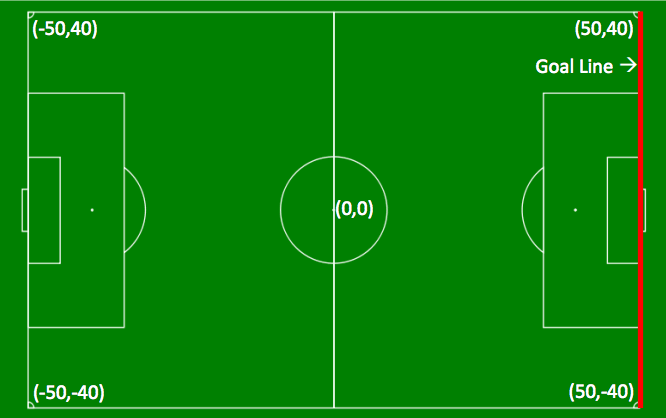
이 문제에서는 공과 선수를 각각 점 하나로 본다. 경기장은 가로 100m, 세로 80m이고 점 이 하프라인의 중심이다. 상대 골라인은 에서 까지 이어지므로, 가 클수록 상대 골라인에 가깝다. 공격 팀 선수 열한 명 중 오프사이드 위치에 있는 선수가 한 명이라도 있는지 판정하라.
입력
입력은 테스트 케이스 하나로 이루어지며 정확히 23줄이다. 각 줄에는 공 또는 선수의 위치를 미터 단위로 나타내는 정수 와 가 주어진다 (, ). 첫 줄은 공의 위치이고, 다음 11줄은 공격 팀 선수 열한 명의 위치, 마지막 11줄은 수비 팀 선수 열한 명의 위치이다. 두 선수가 같은 위치에 있는 경우는 없다.
출력
공격 팀 선수 중 오프사이드 위치에 있는 선수가 있으면 1을, 없으면 0을 출력한다.