CCTV Blind Spots
InterviewTime limit1sMemory limit512 MB
Place each of up to 8 cameras in one of its allowed rotations on an 8x8 grid so that the fewest cells stay unwatched, given walls block sight.
- Level
Medium5 of 10
- Topics
- Brute force, Backtracking, Simulation, Implementation
- Solved
- No attempts yet
Problem
An office divided into 1×1 squares forms a rectangle of rows and columns. Cameras are installed in the office, and there are five types of camera.
| Type 1 | Type 2 | Type 3 | Type 4 | Type 5 |
|---|---|---|---|---|
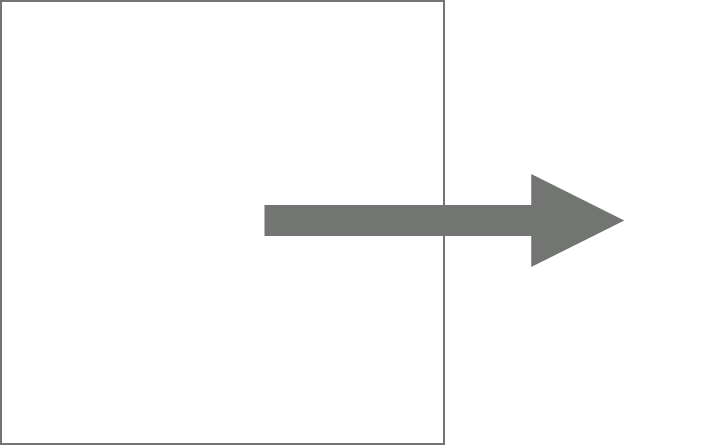 | 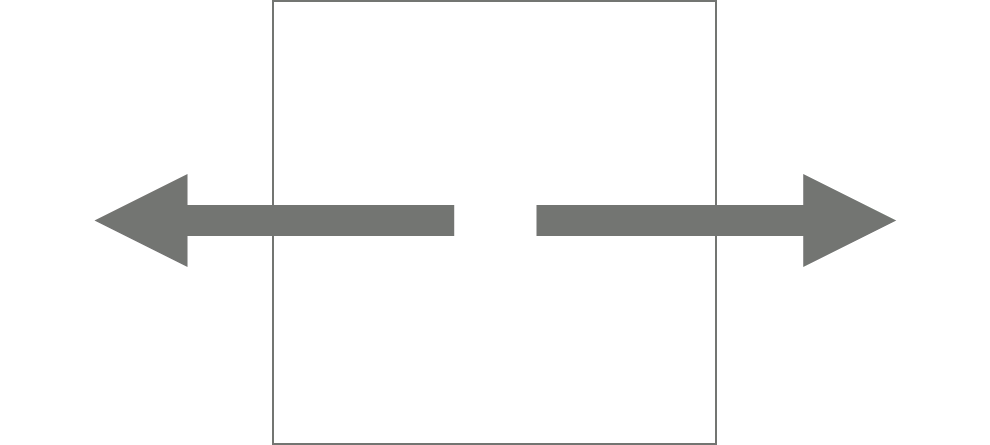 | 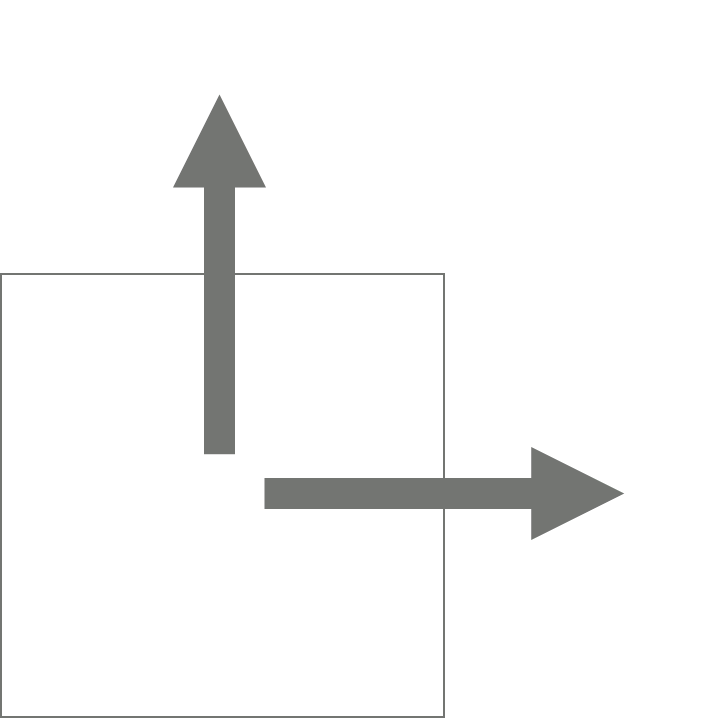 | 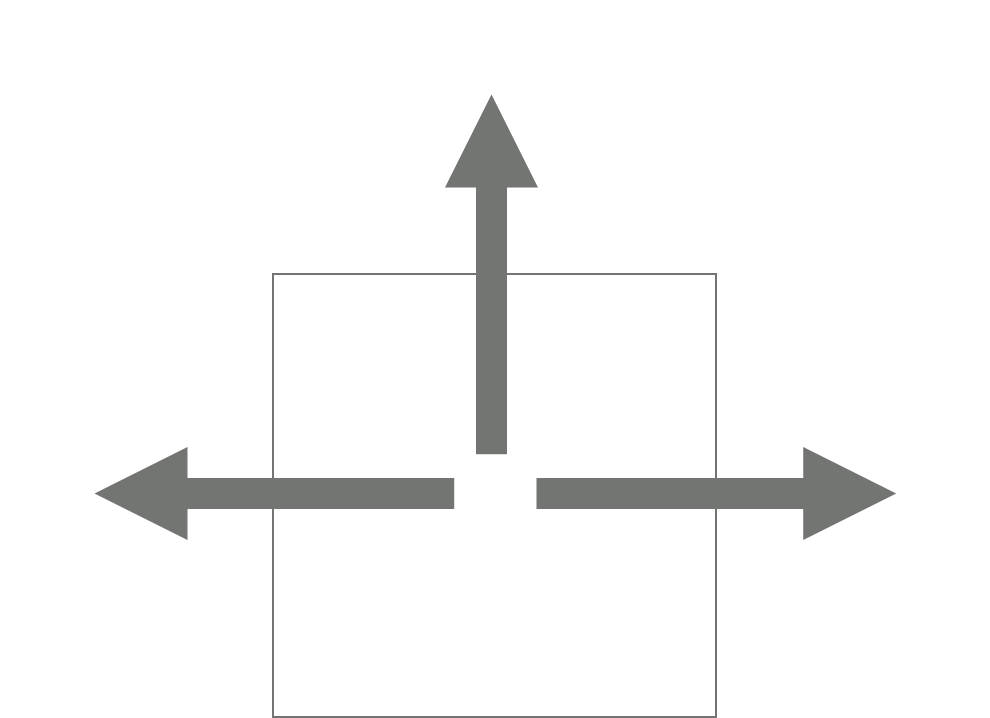 | 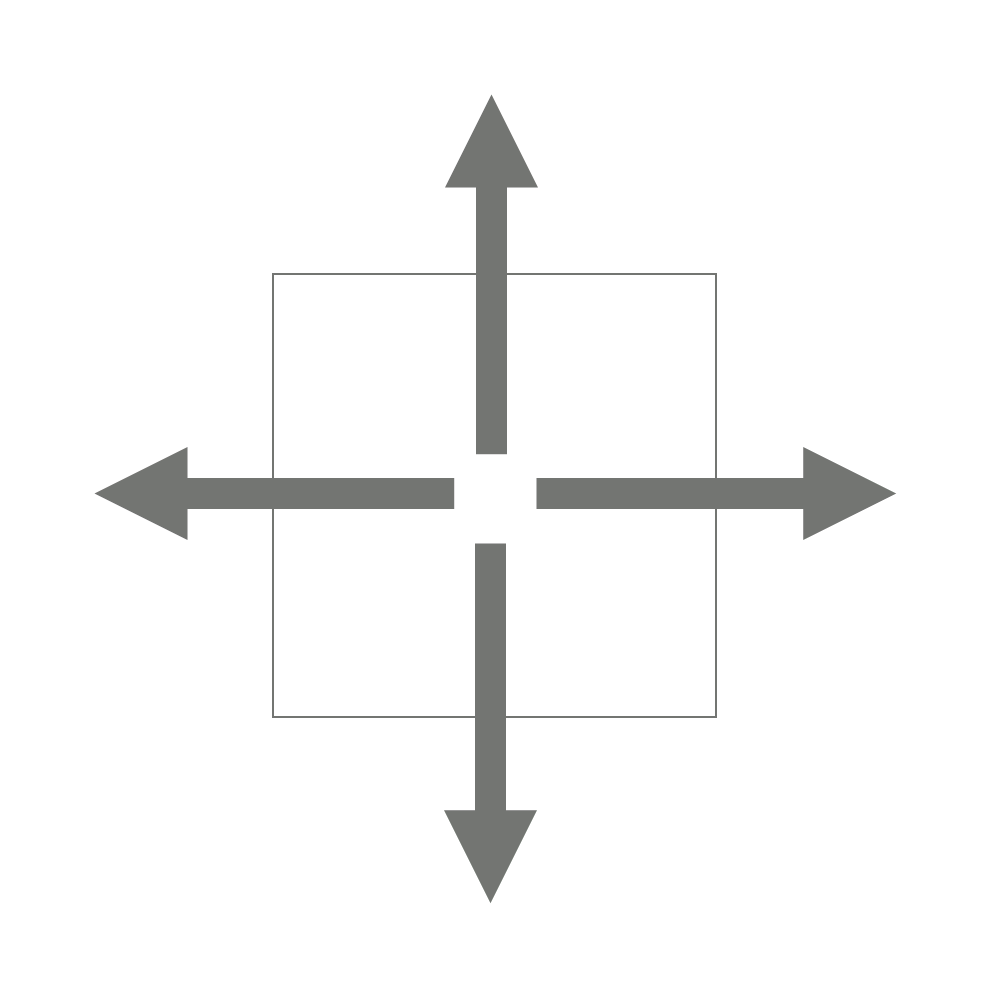 |
A type 1 camera watches one direction. Types 2 and 3 watch two directions: the two directions of a type 2 camera are opposite to each other, and the two directions of a type 3 camera are at a right angle. A type 4 camera watches three directions and a type 5 camera watches four.
A camera watches every cell along each of its directions, all the way to the end. The office contains walls, and a camera cannot see through a wall. A cell that no camera watches is a blind spot.
You can rotate a camera. Every rotation is a multiple of 90 degrees, so each watched direction runs along a row or along a column.
On the map, 0 is an empty cell, 6 is a wall, and the digits 1 to 5 give the type of a camera. Look at the map below.
0 0 0 0 0 0
0 0 0 0 0 0
0 0 1 0 6 0
0 0 0 0 0 0
Marking the watched cells with # for each direction the type 1 camera can face gives the following.
Facing right:
0 0 0 0 0 0
0 0 0 0 0 0
0 0 1 # 6 0
0 0 0 0 0 0
Facing left:
0 0 0 0 0 0
0 0 0 0 0 0
# # 1 0 6 0
0 0 0 0 0 0
Facing up:
0 0 # 0 0 0
0 0 # 0 0 0
0 0 1 0 6 0
0 0 0 0 0 0
Facing down:
0 0 0 0 0 0
0 0 0 0 0 0
0 0 1 0 6 0
0 0 # 0 0 0
A camera cannot see through a wall, so while the type 1 camera faces right, the cell to the right of the 6 is not watched.
Look at the next map.
0 0 0 0 0 0
0 2 0 0 0 0
0 0 0 0 6 0
0 6 0 0 2 0
0 0 0 0 0 0
0 0 0 0 0 5
The four ways of orienting the two type 2 cameras give the following watched cells.
Top left type 2 horizontal, bottom right type 2 horizontal:
0 0 0 0 0 #
# 2 # # # #
0 0 0 0 6 #
0 6 # # 2 #
0 0 0 0 0 #
# # # # # 5
Top left type 2 horizontal, bottom right type 2 vertical:
0 0 0 0 0 #
# 2 # # # #
0 0 0 0 6 #
0 6 0 0 2 #
0 0 0 0 # #
# # # # # 5
Top left type 2 vertical, bottom right type 2 horizontal:
0 # 0 0 0 #
0 2 0 0 0 #
0 # 0 0 6 #
0 6 # # 2 #
0 0 0 0 0 #
# # # # # 5
Top left type 2 vertical, bottom right type 2 vertical:
0 # 0 0 0 #
0 2 0 0 0 #
0 # 0 0 6 #
0 6 0 0 2 #
0 0 0 0 # #
# # # # # 5
A camera sees past a cell that holds another camera. Look at the map below.
0 0 2 0 3
0 6 0 0 0
0 0 6 6 0
0 0 0 0 0
If the type 2 camera watches vertically and the type 3 camera watches left and down, the watched cells are these.
# # 2 # 3
0 6 # 0 #
0 0 6 6 #
0 0 0 0 #
You are given the size of the office, its contents, and the cameras in it. Write a program that chooses the direction of every camera so that the number of blind spots is as small as possible, then prints that number.
Input
The first line contains the height and the width of the office. ()
Each of the next lines describes one row of the office. 0 is an empty cell, 6 is a wall, and the digits 1 to 5 are cameras of the types described above. The values on a line are separated by spaces.
The office holds at most 8 cameras.
Output
Print the smallest possible number of blind spots on the first line.