공짜 저녁
면접 대비시간 제한1초메모리 제한1024 MB
조직의 각 구성원의 상사를 트리로 주고 식탁에 있는 사람 목록이 주어질 때, 식탁에 함께 있는 상사가 없는 사람의 수를 센다.
문제
오늘 밤 Hsara는 회사 사람들과 함께 식당에 저녁을 먹으러 간다. Hsara는 다른 누군가가 저녁값을 내 줄 가능성을 생각하고 있다. 저녁값은 정확히 한 사람이 전부(모두의 음식값)를 낸다. 아무나 낼 수 있는 것은 아니다. 조직에서 자신보다 높은 사람(간접적인 상사도 포함한다. 예를 들어 상사의 상사)이 식탁에 있으면 저녁값을 낼 수 없다.
조직은 명의 사람으로 이루어져 있고 각각 번부터 번까지 번호가 붙어 있다. CEO를 제외한 모든 사람은 상사가 정확히 한 명 있다. 각 사람의 상사와 식탁에 있는 사람 목록이 주어질 때, 저녁값을 낼 수 있는 사람이 몇 명인지 구하라.
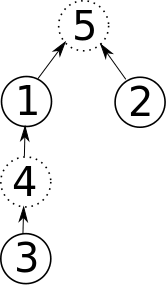
그림 1: 첫 번째 예제의 조직을 나타낸 그림.
입력
첫째 줄에 두 정수 과 이 주어진다. 은 조직에 있는 사람 수이고, 은 식탁에 있는 사람 수이며 이다.
둘째 줄에 개의 정수가 주어진다. 번째 정수는 번 사람의 상사이다. 0은 번 사람이 CEO라는 뜻이다. CEO는 정확히 한 명이다.
셋째 줄에 식탁에 있는 사람을 나타내는 개의 정수가 주어진다.
출력
식탁에 있는 사람 중 저녁값을 낼 수 있는 사람 수를 정수로 출력한다.
제한
힌트
첫 번째 예제에서는 1번과 2번 사람이 낼 수 있다. 3번 사람은 1번 사람이 식탁에 있으므로 낼 수 없다.
두 번째 예제에서는 5번 사람이 CEO이고 식탁에 있다. 따라서 5번 사람만 낼 수 있다.