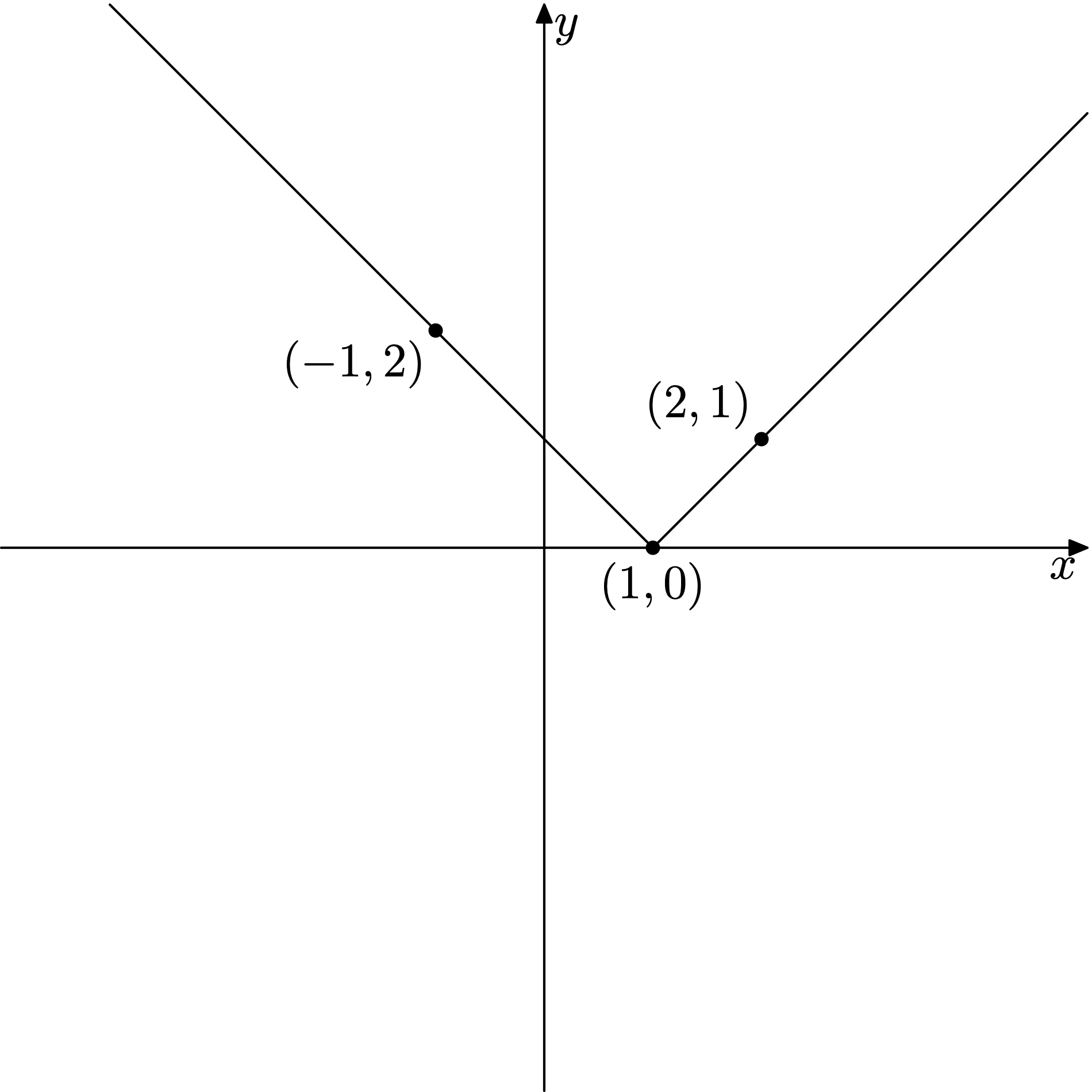
Alice is obsessed with linear functions and especially their plots that are always so mysteriously straight. Recently she found out a plot of function f(x)=∣x−1∣ that impressed her a lot: it was twice as mysterious and beautiful since it consisted not only of one straight-line segment, but of two of them!
Alice immediately thought of a function that is n≥2 times as mysterious as a linear function. Formally, she came up with a piecewise linear function f(x), whose plot consists of n straight-line segments. Function f(x) is defined by n+1 points P_0,P_1,…,P_n−1,P_n belonging to its plot and allowing to reconstruct it in a following manner. Plot of function f(x) is a polyline consisting of two rays P_1P_0, P_n−1P_n and n−2 line segments P_1P_2, …, P_n−2P_n−1. Each point P_i is defined by its Cartesian coordinates (x_i,y_i), which are both integers. It is guaranteed that x_i>x_i−1 for all i between 1 and n, i.e. given polyline is a plot of some function f(x). Please, refer to the Note section for more details.
Now Alice asks you if it is possible to express her function f(x) as a linear combination of terms of form ∣x−a_i∣. Formally, your task is to find out if there exist two finite sequences of real numbers λ_1,λ_2,…,λ_m and a_1,a_2,…,a_m such that the following equation holds:
f(x)=∑_i=1mλ_i∣x−a_i∣
First line of input contains an integer n (2≤n≤100,000), the number of segments in a polyline that is a plot of Alice function.
In the i-th of next n+1 lines (indexed from zero) there are two integers x_i, y_i (−106≤x_i,y_i≤106), coordinates of point P_i.
It is guaranteed that x_0<x_1<…<x_n.
If it is possible to express f(x) as a linear combination of terms of form ∣x−a_i∣, print the only word "Yes" (without quotes). Otherwise print the only word "No" (without quotes).
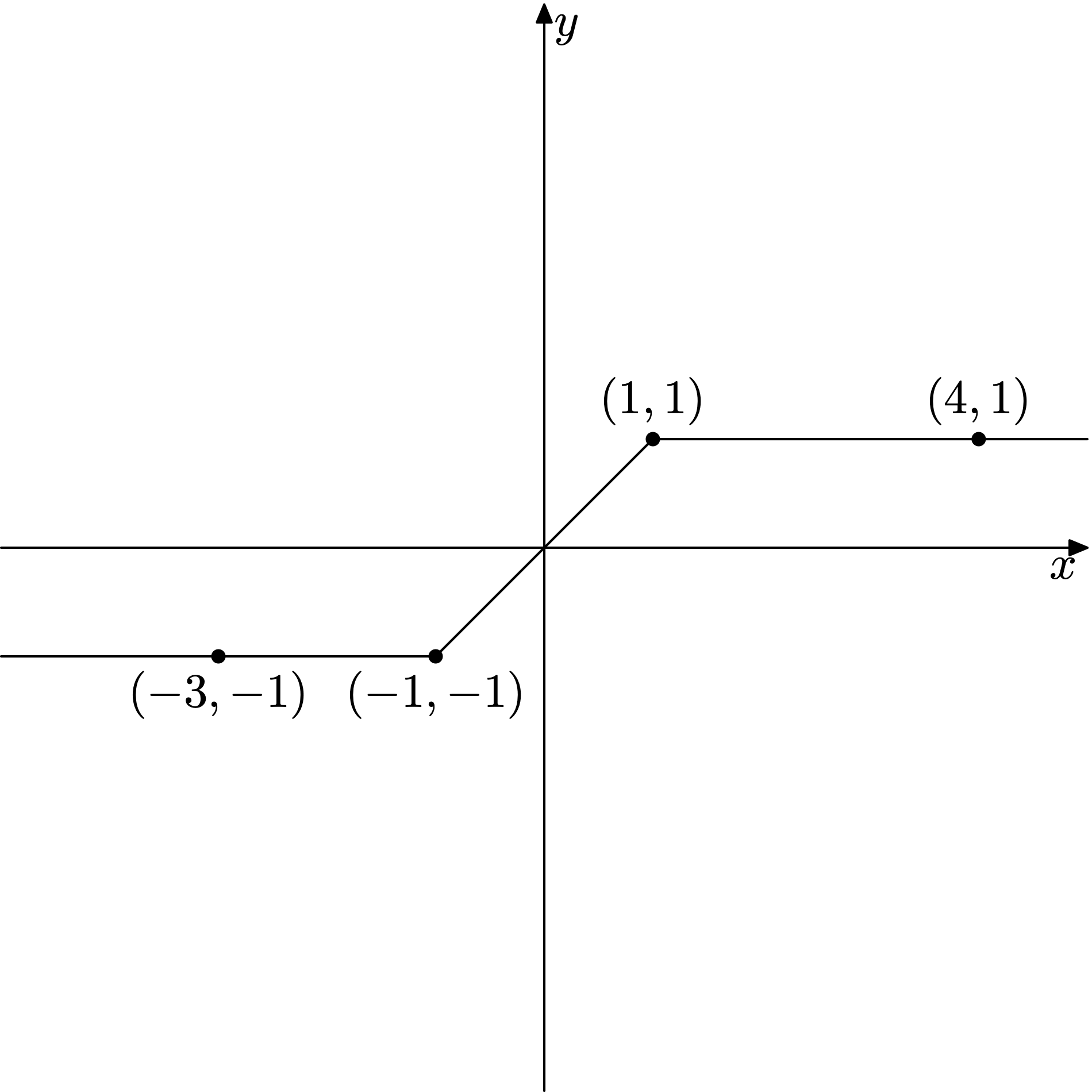
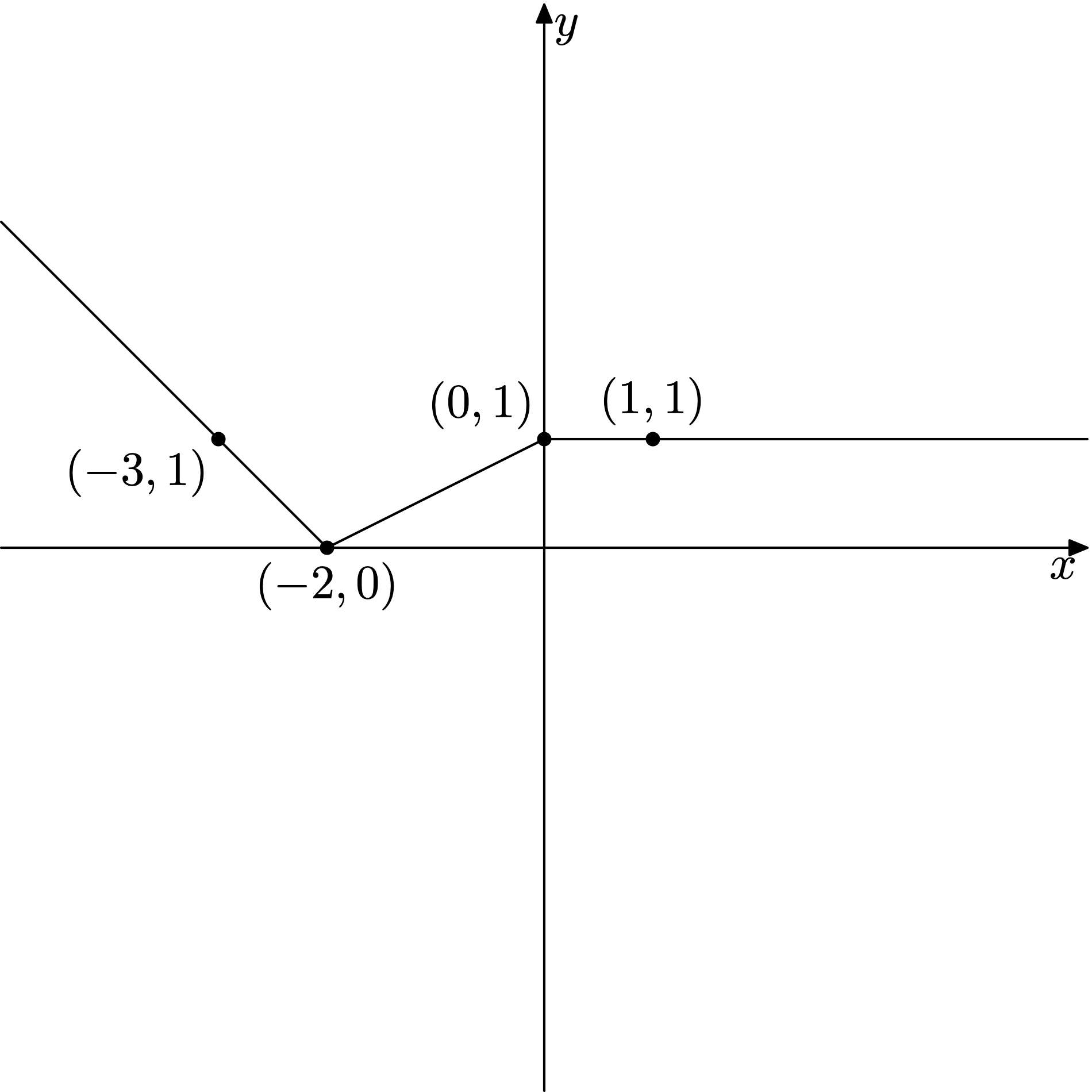
Pictures for the sample cases are given below: