시너지로 승리하기
시간 제한4초메모리 제한1024 MB
그래프의 10개 노드에 선수를 한 명씩 배치해 모든 노드의 시너지 점수가 차수 이상이 되는지 판별합니다.
문제
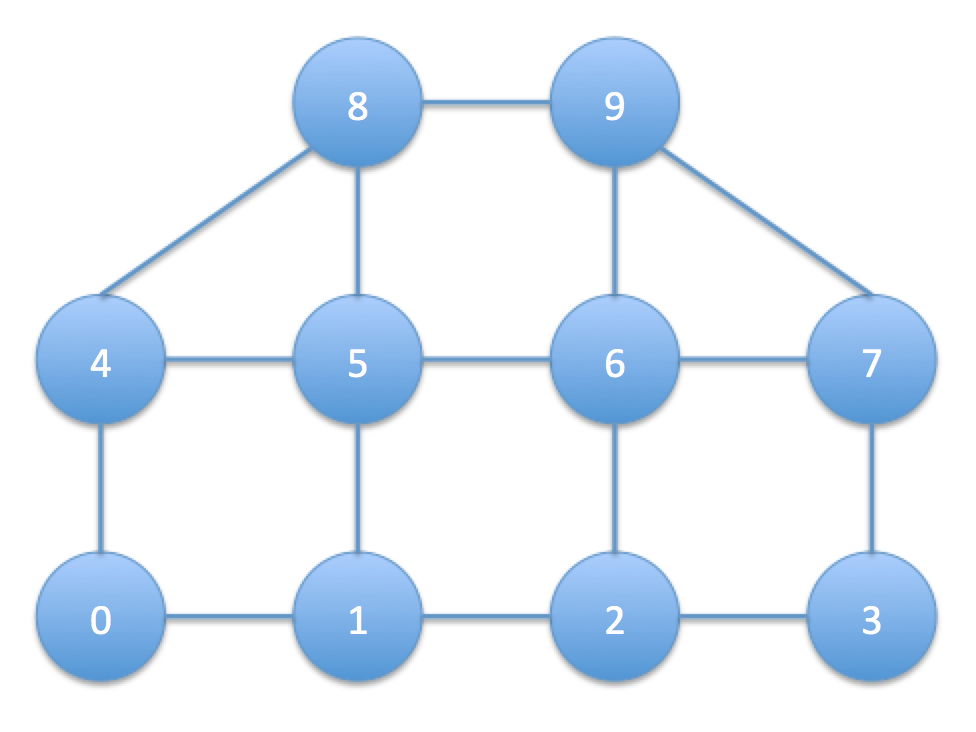
Johnny는 판타지 축구 리그에 억지로 참가하게 되어, 가장 강한 팀을 꾸려야 한다. 이 리그에는 골키퍼가 없다.
Johnny의 팀에는 선수가 10명 있다. 각 선수의 국적, 소속 리그, 소속 팀을 알고 있다.
Johnny는 다음 시너지 규칙을 알고 있다.
- 같은 국적의 두 선수를 잇는 간선의 시너지 점수는 이다.
- 같은 리그의 두 선수를 잇는 간선의 시너지 점수는 이다.
- 같은 팀의 두 선수를 잇는 간선의 시너지 점수는 이다.
- 같은 국적이면서 같은 리그인 두 선수를 잇는 간선의 시너지 점수는 이다.
- 같은 국적이면서 같은 팀인 두 선수를 잇는 간선의 시너지 점수는 이다.
팀은 하나의 리그에만 속한다. 서로 다른 두 팀이 같은 이름을 가질 수 없다.
선수는 무방향 그래프 형태의 배치에 있는 10개의 노드에 놓인다. 각 노드에는 선수가 한 명씩 들어간다. 노드의 차수는 그 노드에 연결된 간선의 수다. 노드의 시너지 점수는 그 노드에 연결된 모든 간선의 시너지 점수를 합한 값이다. 선수는 배치에서 간선으로 연결된 노드에 있는 선수들로부터 시너지를 얻는다.
모든 선수가 시너지 점수가 노드의 차수 이상인 노드에 놓여 있으면, 그 팀은 완벽한 팀이다.
배치와 Johnny의 선수 명단이 주어질 때, Johnny가 선수를 배치해 완벽한 팀을 만들 수 있는지 판단한다.
입력
첫 줄에 배치의 간선 수 ()가 주어진다.
이어지는 개의 줄에는 정수 와 (, )가 주어진다. 이는 노드 와 노드 가 연결되어 있음을 뜻한다.
이어지는 10개의 줄에는 선수 이름, 국적, 리그, 팀의 네 문자열이 주어진다. 각 문자열은 비어 있지 않고, 공백을 포함하지 않으며, 길이는 15자 이하이다. 문자열은 공백 한 칸으로 구분된다.
출력
Johnny가 선수를 배치해 완벽한 팀을 만들 수 있으면 yes를, 없으면 no를 출력한다.