패턴
면접 대비시간 제한1초메모리 제한512 MB
n 곱하기 n 격자를 1부터 n^2까지 행 우선으로 채운 뒤, 각 칸의 수가 약수를 k개 이하로 가지면 별표를, 아니면 점을 출력한다.
문제
소수의 분포에서 나타나는 기묘한 패턴을 드러내는 울람 나선에서 영감을 받은 Petya는 자신만의 유사한 방식을 고안하기로 했다.
Petya는 부터 까지의 정수를 크기의 정사각형 표에 왼쪽 위 칸부터 채운다. 부터 까지는 첫 번째 행에, 부터 까지는 두 번째 행에 들어가는 식이다.
그다음 그는 약수의 개수가 이하인 수가 들어 있는 칸에 색을 칠한다. Petya는 이렇게 만들어진 그림에서 패턴을 찾으려 한다. 예를 들어 , 이면 Petya는 다음과 같은 그림을 얻는다.
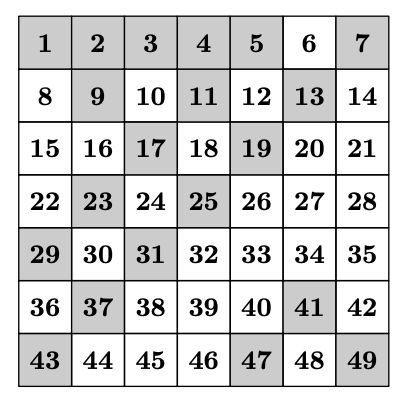
Petya를 도와 색칠한 결과를 출력하자. 색칠한 칸은 별표 <<*>>, 색칠하지 않은 칸은 점 <<.>>으로 나타낸다.
입력
입력은 두 정수 과 로 이루어진다. (, )
출력
개의 줄을 출력한다. 각 줄은 개의 문자로 이루어진다. Petya의 표에서 번째 행의 번째 칸에 색이 칠해져 있으면 번째 줄의 번째 문자는 <<*>>이고, 그렇지 않으면 <<.>>이다.