
The Ultimate Guide To Build And Scale Consumer Apps
This is a copy of Cal AI's B2C Scaling
I ran the marketing and operations for Cal AI that took us from nothing to #1 app in Health & Fitness in 18 months.
In that time we signed hundreds of influencer partnerships, tested every niche imaginable, and built a system that ran most of it without us.
When scaling a consumer app to any level, distribution is the #1 bottleneck you’ll encounter.
And I’m going to help you fix this once and for all in the next 5 minutes.
By the end of this you'll know:
- The systems that let four people manage hundreds of influencers on autopilot
- How to identity scalable creators vs duds
- The 3-to-5 rule for testing niches without burning through your budget
- Why your campaign briefs are killing performance and creator relationships
- How the influencer marketing pricing curve screws you at both ends, and show you the gap in the middle where the money is
- What you're actually buying with each marketing channel (most operators get this wrong and overpay for years)
It's everything I'd tell a founder who asked me, "how do I scale my app?"
Let's get into it.
1. Know what you're actually buying
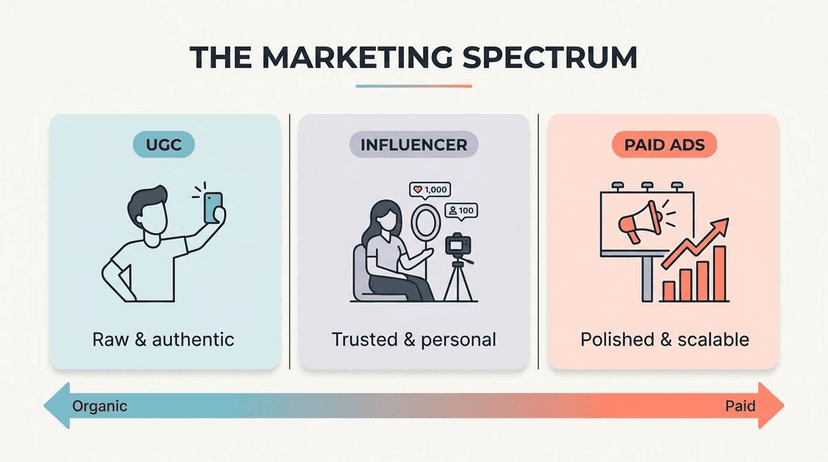
I've written about the three distribution channels (UGC, paid ads, and influencers) and how to evaluate which one fits best for your business and niche.
Here’s the short version:
With UGC, you're buying content and swings at the algorithm. Cheap videos used as a volume play, hoping a few go viral.
With paid ads, you're buying distribution. Predictable, scalable, and you get exactly what you pay for…nothing more.
With influencers, you're buying trust. The audience relationship already exists, and you're essentially renting it for the duration of your creator deal.
The majority of failed influencer programs die because the operator behind it had no rhyme or reason for the decisions they made.
These are some of the most common mistakes I see being made with brands who try influencer marketing:
Paying for follower count instead of views
Going after the biggest name instead of influencers with the right audience that will convert
Forcing a scripted "ad" instead of organic-feeling videos that slots seamlessly into the creators natural content
Running the channel in the wrong niche (i.e. B2B or Saas products don’t feel like a natural promo for most influencers)
Never building a system for onboarding, deliverables and creator analysis
Influencer marketing worked for Cal AI because:
- The health and fitness niche already embraced the before-and-after/transformation content format and could easily go viral
- We could sign fitness influencers to reasonable creator deals because everyone and their mom is trying to make a name for themselves (creator availability outpaced demand)
- The app felt like an actual product these influencers would use in their day-to-day lives.
- We partnered with the right influencers who had real trust built with their audiences, which helped us scale faster than anyone else.
And the main reason we could consistently find creators who converted for Cal AI is thanks to the 20-second Influencer Test.
2. The 20-second test that makes or breaks influencer deals
Too many operators spend hours analyzing whether a creator will convert by obsessing over followers, engagement rates, and audience demographics.
If you need hours to figure out if an influencer would work for your brand, I can tell you right now they won't.
After evaluating over 10,000 creators for Cal AI, these are the are only three questions you need to answer:
Question 1: What do their views look like?
Looking at average views for all their videos is a good indicator of sponsored post performance.
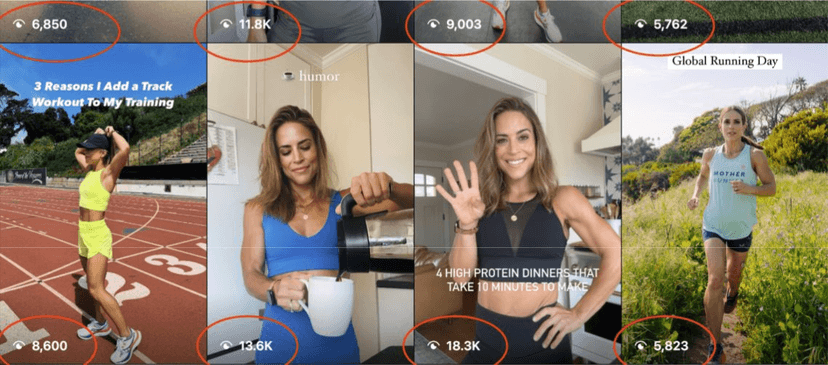
And I am more interested in their baseline view metrics than the random few videos that popped off.
I've seen creators with millions of followers who get 10,000 views a video, and creators with 15,000 followers who get millions of views a video.
You're paying for the video, so the only number that matters is what a video actually does once it hits the algorithm.
Question 2: What does the comment section look like?
The sign of a healthy, engaged audience that will listen and buy anything that an influencer puts in front of them can be seen by simply looking through their comment section.
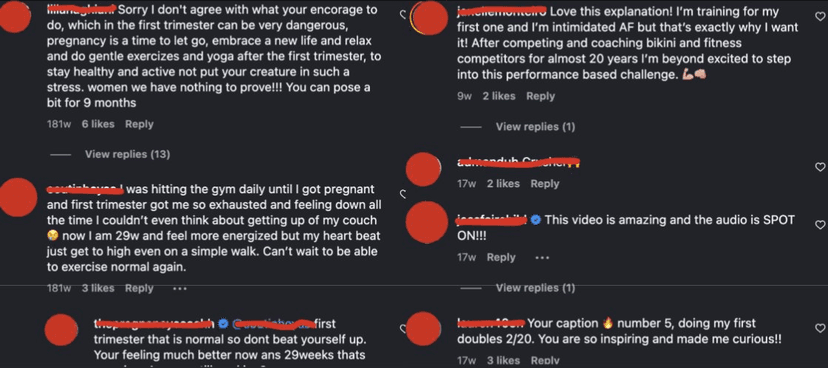
If people are posting actual comments, asking questions, arguing with other followers, basically anything other than a bunch of emojis, then you're on the right track.
Question 3: Could you imagine being friends with this person?
How well does this influencer talk to the camera?
Do they have a personality?
Does the audience feel like they know them?
Riche Lovelace aka daddywellness on IG is a great example of a creator who crushes these criteria.
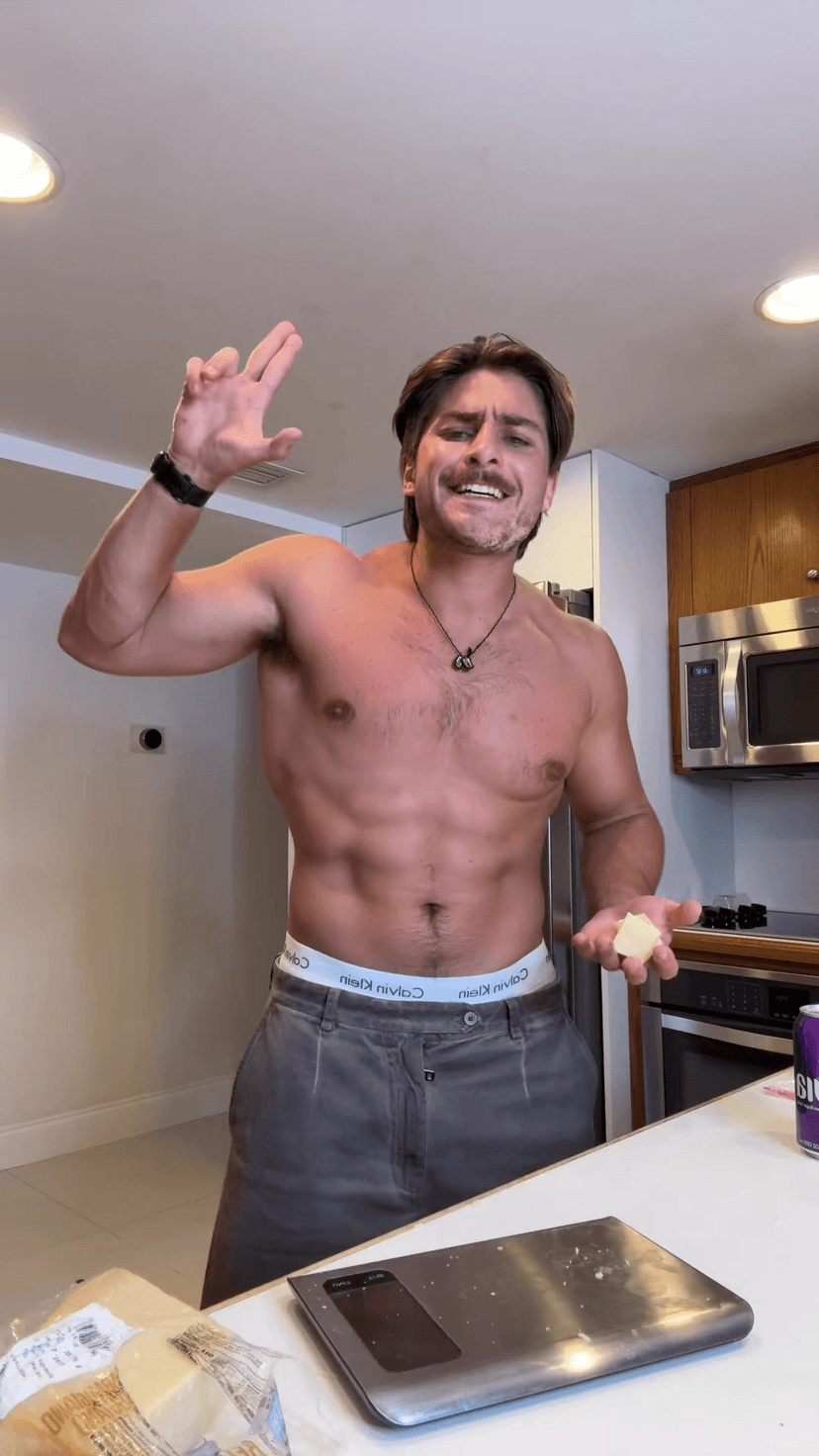
If you can't picture someone feeling like this creator is their friend, the parasocial relationship isn't there.
And the parasocial relationship is the entire product.
If the answer to any of these questions is no, move onto the next creator.
If you're still deliberating after 20 seconds, that's your answer too.
3. You get screwed at both ends of the deal pricing curve
Here's something nobody tells you about influencer pricing: the market is broken at both ends of the spectrum, but for opposite reasons.
The top of the market is overpriced because big brands can't attribute.
When a big brand signs a massive creator, they have no idea how much revenue that deal drives.
The brand is doing so much volume that no single video moves the needle that much.
So they take a shot in the dark, anchor a random price against what they'd pay Meta for the same reach, and usually overpay.
Those inflated deals set the asking price for every other big creator in the market.
The bottom of the market is overpriced because nobody knows what they're doing.
When it comes to small creators, they usually only get DMs from inexperienced brands.
And most small brands have never run a successful influencer deal.
So when a creator with 5,000 followers quotes $2,000 for a post that'll likely get 3-4k views, the brand pays it because they don't know any better.
Multiply that across the whole bottom of the market and tiny creators end up with prices that make zero economic sense.
The money is in the middle.
Mid-sized creators are what kept our dashboards up and to the right at Cal AI.
This category of influencers are too expensive for the brands that don't know what they're doing, and too small to be worth a giant brand's time.
That's where the entire Cal AI playbook lived.
One more pricing rule, and it's non-negotiable: pay flat rates, never per view.
A flat fee means the video can go mega-viral and you don't pay a cent more.
That asymmetric upside is the whole reason organic content beats paid ads and traditional spray-and-pray UGC when done the right way.
The second you pay per view, you've converted your influencer program into expensive Meta ads.
4. You're hiring the audience, not the influencer
This is the lesson that cost us the most money to learn, so pay attention.
We once paid a mukbang creator a serious check.
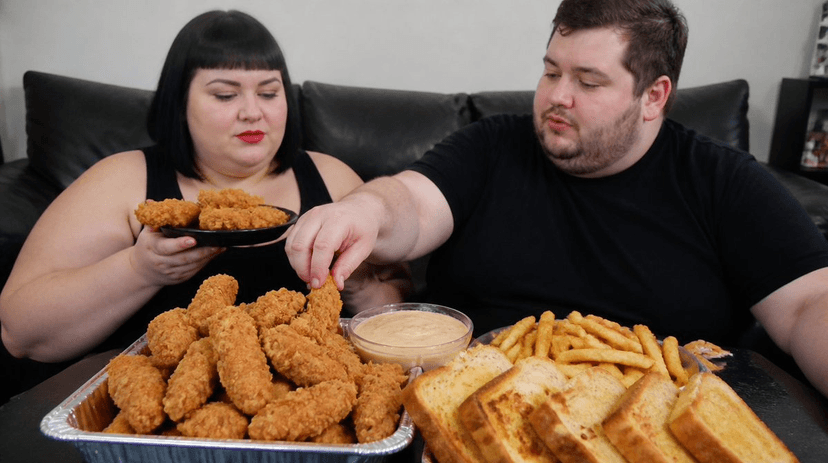
Their videos hit huge views and always showcased tons of food, so on paper it made perfect sense for a calorie-tracking app.
Spoiler: it barely converted.
Because people watching someone eat 8,000 calories for entertainment do not want to count their calories.
We made the same mistake with UFC fighters.
Fighters track their weight obsessively, they cut for every fight, and the product fit seemed obvious.
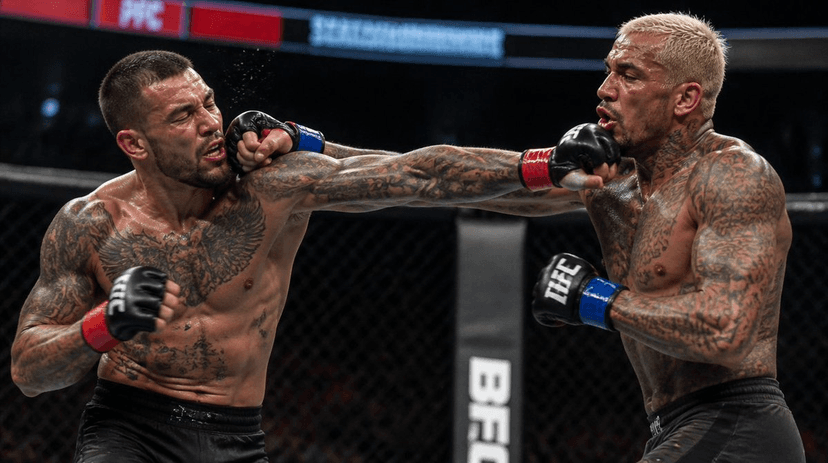
But we only realized after losing thousands in deals that the audience watching UFC fights are drinking beer and eating pizza on the couch.
Comedy creators, same story.
Yes they get massive viral reach, but when those videos go viral, it's a different audience every time.
They might have a strong following, but they don’t have trust built up to start promoting a health and fitness app that clearly feels like a paid promotion.
On the other hand, one of our best performers ever was a TikTok dancer girl.
She never talked to the camera, had no previous fitness content, and every instinct I had said it would flop.
What I didn’t factor in was that her audience had followed her for years without ever getting to know her personally, and the Cal AI video was the first time she let them into her actual life.
They finally got to meet her through her Cal AI videos, and we reaped the rewards of a teenage Tiktok cult following.
So how do you test a niche without lighting money on fire? The simple rule we followed was the 3-5 test method.
Test a niche three to five times with different creators and different angles.
At any sign of life, keep pushing. But if you get crickets across every attempt, kill the niche and move on.
5. Let creators cook
The creator brief is where most influencer programs quietly sabotage the entire marketing channel.
- Operators send creators a 10-page brand deck with mandatory talking points or strict word-for-word scripts.
- Then put the influencer through three rounds of revisions and multiple approval checkpoints.
- The brands are then confused and angry when the content performs like an ad (hint: because they turned it into one).
Think about what you're actually paying for.
This person built an audience of hundreds of thousands of people by being good at making content.
The moment you over-engineer their video, you've removed the only thing that made the deal worth doing.
Our briefs were deliberately minimal.
- Here's the product
- Here's what it does
- Here's the one thing you can't say for legal reasons, aaaaand go.
I worked in management consulting for years, so this was painful for me at first.
I thought everything needed to be "client ready" aka detailed decks, perfect formatting, and every detail spelled out.
It took me embarrassingly long to accept that creators don't want your boring PowerPoint.
They want a Google Doc they can read in two seconds, and then they want you to get out of the way.
And from a logistical standpoint, a lean team of 4 co-founders couldn’t physically micromanage hundreds of creators.
Heavy briefs don't just kill performance, they also kill your ability to grow past 10-20 partnerships.
6. The Systems
Everything I’ve already covered works because of creative testing, taste, and intuition.
But none of it can scale without proper systems.
When I joined Cal AI, we had two or three influencers and weren’t optimized yet for aggressive scaling.
Signing a creator meant someone manually sending a contract, someone remembering to follow up, and checking view counts and comment sections multiple times a day.
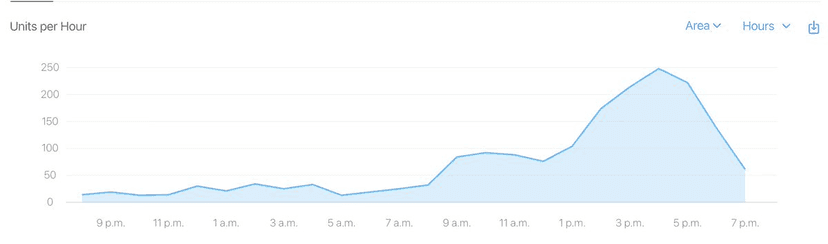
I rebuilt our whole system as an automated pipeline, and by the end, we were signing 10 new influencers a week and managing hundreds of active partnerships with a tiny team.
These are the systems that winning apps use to scale properly:
Step 1: Volume outreach. Virtual assistants running multiple outbound channels like clockwork.
Step 2: Instant calls. Jump on a meeting the second a creator responds. By the end of that call it was a yes or a no, never "let me run it by the team."
Step 3: One-click contracts. A yes triggered a set of automations: contract sent with the deal terms, post count, payment, and expected deliverables. No lawyer ping-pong or week of back and forth.
Step 4: Auto-updating tracker. The signed contract updates on a master sheet automatically…so you can easily see every active creator, every scheduled post date, every deliverable, all in one place nobody has to maintain by hand.
Step 5: Automated reminders. On post day, the creator got an automatic text: you're scheduled today, submit your video for review.
Step 6: Track and renew. Every post got logged against views and comment quality, and that data decides who you renewed and who you cut. Your roster gets stronger every month on its own.
Notice what's missing from that list: meetings, status reports, and project managers.
Each step existed for one reason, to remove a human bottleneck between "creator says yes" and "their video is live."
Build the systems once and every deal after that costs you almost nothing.
That's the difference between running scalable influencer marketing and being run into the ground by it.
7. Speed is the only moat left
For a long time, the smartest people in consumer apps said taste was the moat.
They claimed AI can build anything now, but it can't make it look good, so UI/UX design was the last defensible edge.
I believed that too, but I don't anymore.
AI design has caught up.
Every copycat app looks sleek now with just a few simple prompts.
There are Cal AI clones trying to run our exact playbook as you’re reading this.
Same features, same influencer strategy, some of them studied us closely enough to copy almost everything.
But none of them have come close to our level of success, because the playbook was never the moat either.
The only moat left is speed.
- How fast you implement
- How fast you test
- How fast you kill what's not working and double down on what is.
And distribution is just speed applied to mindshare.
The goal of everything in this playbook is to create one specific feeling in the market: "why do I keep hearing about this app everywhere?"
That feeling is manufactured. It comes from concentration, hitting a niche from every direction at once until you're unavoidable.
Now What?
Nothing in here requires a Stanford degree or a million-dollar budget.
Cal AI was built by four guys with obsession, some automations, and a willingness to test faster than everyone else.
The apps that win the next few years are the ones that win on speed and distribution
Now go make some money.
P.S. If you enjoyed this article, I go deeper with more tactical insights and lessons on AI, scaling consumer apps, and business in my newsletter.
It's called Operator's Notebook, and you can join for free at the link in the comments (it's free).
-Jake